Laparoscopic (Keyhole) vs Open Surgery
For many abdominal operations, keyhole surgery means smaller cuts, less pain and a faster return to normal life — but open surgery remains the right choice in specific situations. Here is the honest comparison.
Dhaara Speciality Hospital, Yelahanka
61 Jakkur Road, Yelahanka, Bengaluru 560064
24/7
Emergency Care
Insurance & cashless
Treatment support
Key Takeaways
- Laparoscopic surgery uses a camera and long instruments through small incisions instead of one large cut.
- Typical advantages: less pain, shorter stay, smaller scars, quicker return to work and daily activity.
- Both approaches carry similar core risks (bleeding, infection, injury to nearby structures) — technique does not remove risk.
- Open surgery is sometimes safer: dense adhesions, emergencies with unstable patients, very large tumours or complex re-operations.
- Your surgeon chooses the approach on surgical grounds — it is a clinical decision, not a menu option.
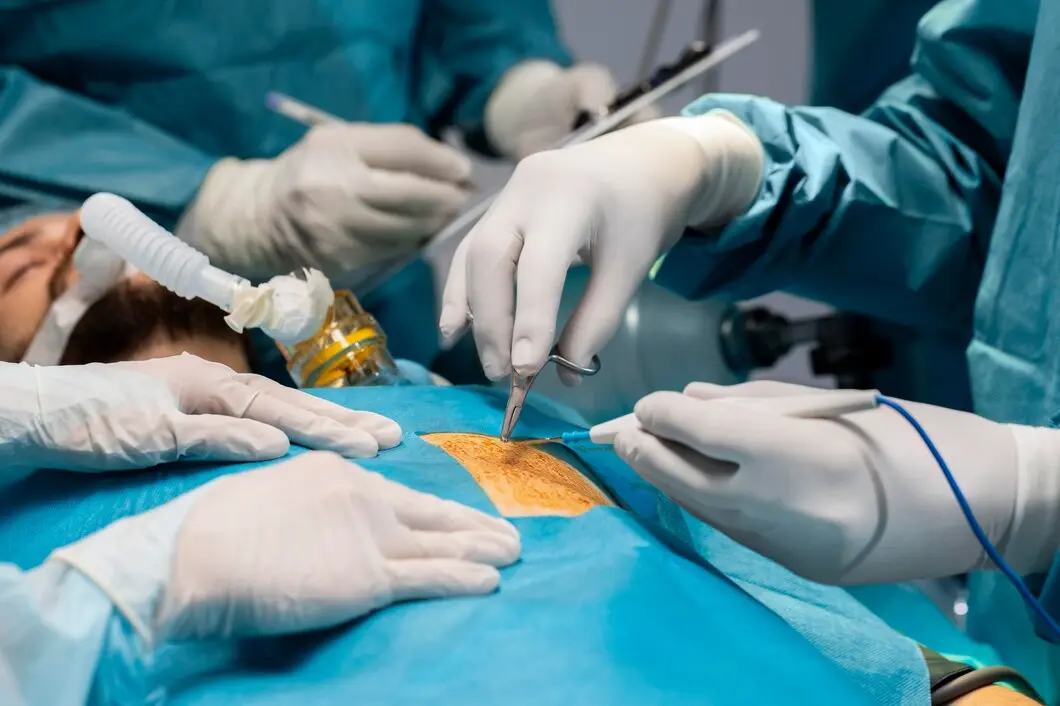
In laparoscopic surgery the surgeon works through 3–4 small incisions (5–12 mm): the abdomen is gently inflated with gas, a high-definition camera gives a magnified view on screen, and long thin instruments do the operating. In open surgery, a single larger incision gives direct access with the surgeon's own hands. Both are time-tested; the question is which suits your condition.
Side-by-Side Comparison
| Aspect | Laparoscopic | Open |
|---|---|---|
| Incisions | 3–4 cuts of 5–12 mm | One larger incision (10–25 cm) |
| Pain after surgery | Usually less; shorter painkiller need | More; longer painkiller course |
| Hospital stay | Often same day to 2 days | Typically 3–7 days depending on operation |
| Wound problems | Fewer wound infections; small scars | Higher wound-healing burden; bigger scar |
| Return to work | Commonly 1–2 weeks (routine procedures) | Commonly 4–6 weeks |
| View of the operation | Magnified, detailed view on screen | Direct, tactile assessment by hand |
The last row matters more than patients expect: open surgery gives the surgeon direct touch and access, which is exactly why it remains the standard for certain situations.
When Open Surgery Is the Better Choice
A surgeon may plan an open operation — or convert a keyhole operation to open midway — for sound safety reasons:
- Extensive adhesions from previous operations making keyhole access unsafe.
- Emergencies with severe inflammation, perforation or unstable patients, where speed and direct control matter.
- Very large or locally advanced tumours requiring wide access.
- Massive bleeding during any operation — control comes first.
- Patient factors such as severe heart/lung disease that rules out the gas inflation needed for laparoscopy.
If conversion happens during your operation, it is not a failure — it is the surgeon exercising judgement for your safety. Planned or converted, the operation's goal is the same.
Is Keyhole Surgery "Less Safe" Because It Is Smaller?
No — in experienced hands, major procedures up to colectomy and beyond are routinely performed laparoscopically with outcomes comparable to open surgery, as decades of studies have shown. The core risks of any abdominal operation — bleeding, infection, injury to nearby organs, anaesthesia risks — exist in both approaches. What keyhole genuinely changes is the recovery experience: less pain, fewer wound problems and a faster return to your life. Our laparoscopic surgery department and minimally invasive surgery page describe the facilities, and the procedures we perform most — gallbladder, appendix, hernia and colon surgery.
Frequently Asked Questions
Questions About Your Surgery?
Talk to the surgical gastroenterology team at Dhaara Speciality Hospital, Yelahanka. Same-day appointments available.
Related Patient Guides
Preparing for Surgery
Tests, medicines, fasting, packing — the complete pre-op checklist.
Surgery Patient Guides
Symptoms, preparation, recovery and warning signs — explained simply.
Appendix Surgery Recovery
A realistic week-by-week timeline after laparoscopic appendectomy.

.webp)
.webp)