If hepatitis B has appeared in your report — or your family's — this page was written for you. Together we will walk through what the virus means, which phase you are in, what treatment you do (or don't) need, and how to protect your liver for life.
Medically reviewed by Dr. Srinivas Bojanapu · September 2026
10,000+
Patients Treated
15+ Years
Surgical Experience
24/7
Emergency Care
Hepatitis B in 30 seconds
- What it is: a liver virus carried by roughly 40 million Indians — most of whom feel perfectly well and don't know they have it.
- Why it matters: untreated, it silently progresses to cirrhosis in 20–30% and liver cancer in 5–10% over 20 years.
- Key fact: it is treatable and controllable — modern tablets suppress the virus to undetectable levels, and most carriers live normal lives.
- If you are worried: one specialist evaluation tells you your phase — and phases decide everything on this page.
- Protect your family: the hepatitis B vaccine is highly effective — test and vaccinate household members.
India's silent epidemic — the numbers first
India carries about 11% of the world's hepatitis B burden — approximately 40 million people chronically infected, most unaware. Left alone, chronic HBV leads to cirrhosis in 20–30% of patients and liver cancer in 5–10% over 20 years. Now the sentence that matters more: modern antiviral therapy suppresses the virus to undetectable levels — preventing those complications entirely. This is a disease you manage, not one that manages you.
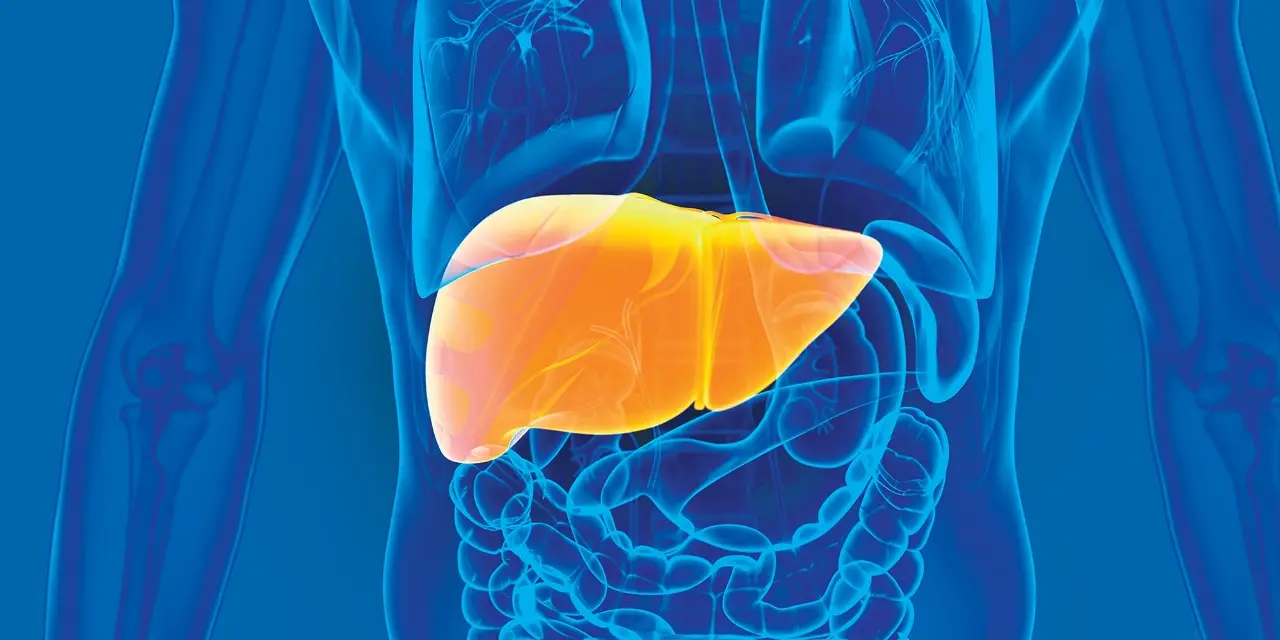
What is hepatitis B — and how did I get it?
Hepatitis B is a virus that lives in the liver and spreads through blood and body fluids. How it entered your life matters less than what it is doing now — but the routes, briefly:
- Mother to child at birth — the most common route in India; without vaccination, 90% of babies born to infected mothers develop chronic infection
- Unprotected sexual contact; contaminated needles (injections, tattoos, piercings)
- Blood transfusions (rare with modern screening); shared razors or toothbrushes at home
- And what it is NOT: hepatitis B does not spread by casual contact, hugging, coughing or sharing food
| Feature | Acute HBV | Chronic HBV |
|---|---|---|
| Duration | Under 6 months | Over 6 months, often lifelong |
| Symptoms | Jaundice, fatigue, nausea | Often none for years |
| Adults infected | 95% clear the virus naturally | 5% become chronic |
| Infants infected | — | 90% become chronic without vaccination |
| Treatment | Usually supportive care | Antiviral therapy when indicated |
Symptoms — and the honest truth about them
Most common — nothing at all
- Chronic HBV usually causes no symptoms for years
- Which is why testing, not symptoms, finds it
- Fatigue is the earliest complaint when it does speak
When symptoms occur
- Persistent tiredness
- Right upper-abdominal discomfort
- Appetite loss, nausea
- Joint pains (an outside-the-liver manifestation)
Advanced disease
- Jaundice — yellow eyes and skin
- Dark urine, pale stools
- Abdominal swelling (fluid)
Who should get tested
- Family members of HBV patients
- Anyone born to an HBV-positive mother
- Healthcare workers; raised liver enzymes of unknown cause
- Before starting immunosuppressive therapy
When should you see a doctor?
review
Next available appointment: a positive HBsAg report of any kind — it always deserves staging; family member recently diagnosed; due for your 6-monthly surveillance.
(weeks)
Within weeks: rising liver enzymes on repeated tests; starting long-term steroids or cancer medicines (immunosuppression can wake the virus); pregnancy planning with HBV.
(same day)
Do not wait: new jaundice; abdominal swelling; vomiting blood; confusion or drowsiness. Call 87478 74666 — Dhaara runs a 24/7 emergency service.
"Which phase am I in?" — the question that decides your treatment
This is the scientist's heart of hepatitis B: the same virus behaves differently depending on how your immune system is engaging it. Four phases, four different plans:
- Immune-tolerant carrier — virus high, liver quiet: monitored, usually no tablets yet
- Immune-active hepatitis — virus active with rising enzymes: antiviral treatment indicated
- Inactive carrier — low virus, normal enzymes: periodic monitoring
- Cirrhosis — antivirals mandatory lifelong, with 6-monthly cancer surveillance
This is why a specialist evaluation matters more than any single report: the same blood test can mean four different things depending on the phase.
How is hepatitis B assessed? A step-by-step journey
- Screening blood tests. HBsAg confirms active infection; anti-HBs confirms immunity from vaccination or past infection — the first question is which one you are.
- Viral activity. HBeAg/anti-HBe and HBV DNA (viral load) quantify what the virus is doing right now — this number guides treatment.
- Liver inflammation. LFT and ALT measure how much the liver is protesting.
- FibroScan. A painless, 10-minute stiffness test that stages fibrosis without a needle — see our fatty liver page for how it reads.
- Cancer surveillance baseline. Ultrasound + AFP — and then every 6 months, for life, in anyone with fibrosis or cirrhosis.
Treatment — who needs tablets, and what they achieve
First-line antivirals
What: Tenofovir (TDF or TAF) or Entecavir — once-daily tablets, extremely potent, with a high barrier to resistance and proven safety over years. TAF is preferred when kidney or bone concerns exist. What they achieve: suppression of HBV DNA to undetectable — inflammation quiets, fibrosis slows or halts, cirrhosis and cancer risk falls. Limitations: they control, and are usually continued long-term — stopping needs specialist judgement.
Pegylated Interferon — for select patients
What: a 48-week injection course for chosen profiles (young, high ALT, low viral load, genotype A/B). Why: finite course, and can achieve HBsAg loss — a functional cure — in 3–7%. Limitations: more side effects; suits a minority.
Treatment goals
What we aim for: undetectable HBV DNA → normal ALT → prevention of cirrhosis and liver cancer → and in the fortunate few, HBsAg loss. Why it matters: treated hepatitis B is a normal life — untreated, it is a slow-burning risk.
Pregnancy — blocking transmission
What: mothers with high viral load (over 200,000 IU/mL) take antivirals in the third trimester; the newborn receives HBV vaccine + HBIG within 12 hours of birth. Why: this combination blocks mother-to-child transmission in nearly all cases. Our gastroenterology team coordinates with OBG throughout.
Vaccination — the best prevention is a finished one
The hepatitis B vaccine is safe, effective, and provides lifelong protection: the 3-dose schedule (0, 1, 6 months) achieves protective immunity in 95% of recipients. Unvaccinated household contacts of HBV patients should be vaccinated immediately — and partners before marriage planning. This is one of medicine's genuine victories: a cancer you can vaccinate against.
What happens after diagnosis — the usual pathway
- Positive report — HBsAg detected
- Phase assessment — viral load, HBeAg, ALT, FibroScan place you in one of four phases
- Treatment decision — antivirals when indicated; monitoring when not
- Family protection — testing and vaccination of household members
- Suppression check — viral load rechecked; tablets adjusted never stopped casually
- 6-monthly surveillance — ultrasound + AFP for life in fibrosis/cirrhosis
What is the outlook?
Honest and encouraging at once: hepatitis B is rarely curable today — a functional cure (HBsAg loss) reaches only 3–7% — but it is reliably controllable. On modern antivirals, the virus becomes undetectable, the liver quiets, and the risks that make the disease frightening (cirrhosis, cancer) largely belong to the untreated. The vast majority of treated patients work, exercise, marry, and raise families normally. The two habits that protect you: never skip the 6-monthly surveillance, and never stop tablets on your own.
Nutrition and daily life
Alcohol — the one hard rule
Alcohol and a virus-inflamed liver multiply each other's harm. Complete avoidance is the single most protective habit you control.
Medicines and 'liver tonics'
Inform your doctor before any new medicine — and never take unlisted herbal or 'liver tonic' remedies; many are liver-toxic.
Daily life is normal life
Work, exercise, marriage, children — all normal. Hugging, sharing meals, coughing — all safe. The virus travels in blood and body fluids, not in everyday contact.
Your calendar is your protection
6-monthly ultrasound + AFP. Set reminders, treat it like a non-negotiable appointment — it is the test that keeps liver cancer a theoretical risk rather than a discovered one.
Questions to ask your doctor
- Which phase am I in — and what does that mean for treatment?
- What is my viral load and FibroScan result?
- Do I need antivirals now — or monitored waiting?
- Which tablet — TDF, TAF or entecavir — suits my kidneys and bones?
- Have my family members been tested and vaccinated?
- What is my surveillance schedule — and what should never be skipped?
- If I plan pregnancy — what is the transmission-blocking plan?
If you would like more confidence about your diagnosis or treatment plan, seeking a second opinion is reasonable.
Frequently Asked Questions
Can chronic hepatitis B be cured?
Functional cure (HBsAg loss) happens in a minority (3–7% with current drugs) and is not guaranteed. But with modern antivirals the virus is reliably suppressed — stopping liver damage, preventing cirrhosis and reducing cancer risk. Treated HBV is compatible with a full, normal life.
Do I need treatment if my enzymes are normal?
Not always — but 'normal enzymes' alone does not decide it. Age, viral load, family history of liver cancer and a fibrosis scan all matter. Your hepatologist will stage you properly before deciding.
Should my family be tested?
Yes — hepatitis B spreads through blood and body fluids, including from mother to child and between spouses. Testing and vaccinating family members is a standard part of our counselling.
Can I marry or have children with hepatitis B?
Absolutely. Partners are vaccinated before marriage planning, and pregnant carriers receive antiviral cover in the third trimester plus newborn vaccination — blocking mother-to-child transmission in nearly all cases.
How long do I need to take antiviral medication?
Most patients with HBeAg-negative chronic HBV need lifelong therapy. HBeAg-positive patients who achieve HBeAg seroconversion may be able to stop after a defined consolidation period. Your doctor guides you based on your individual phase and response.
Why 6-monthly ultrasound if I feel well?
Liver cancer from HBV develops silently. Surveillance every 6 months detects it when a curative treatment (resection, ablation, transplant) is still possible — this simple calendar saves lives.
Can I live a normal life with Hepatitis B?
Absolutely — with proper antiviral therapy and regular monitoring, the vast majority of HBV patients live completely normal lives with no restrictions on work, exercise or social activities. Avoid alcohol and inform your doctor before starting any new medication.
How Dhaara Speciality Hospital can help
And if you need us, here is what stands ready for you under one roof in Yelahanka, Bangalore:
- Complete HBV work-up — HBeAg, HBV-DNA quantification and FibroScan staging in one visit
- Modern antiviral therapy — entecavir/tenofovir, started right and tracked right
- 6-monthly cancer surveillance — ultrasound + AFP, on a protocol, never on memory
- Family screening and vaccination counselling
- Pregnancy planning — coordinated with our OBG team to block transmission
- Advanced disease care — cirrhosis and transplant evaluation pathways
- 24/7 emergency and critical care

Dr. Srinivas Bojanapu
MBBS, MS, FACRSI, DrNB, PDF — Surgical Gastroenterologist & HPB Surgeon with 16+ years of experience and 5,000+ procedures.
Medically reviewed by Dr. Srinivas Bojanapu — MBBS, MS, FACRSI, DrNB, PDF · Surgical Gastroenterologist & HPB Surgeon · Last updated: September 2026.
This page provides general information and is not a substitute for personal medical advice, diagnosis or treatment. Treatment decisions are always individualised after clinical assessment.
Sources & standards:
- Institutional figures on this page (patients treated) are based on Dhaara Hospital records.
- Hepatitis B management follows internationally accepted clinical guidance (AASLD/EASL/APASL).
Book Your Consultation
Know your phase, protect your liver, vaccinate your family. Hepatitis B care under one roof at Dhaara Speciality Hospital, Yelahanka.
Words From Our Happy Clients
Glowing testimonials from satisfied clients share their positive experiences.
Dhaara Speciality Hospital is a trusted healthcare institution equipped with state-of-the-art facilities and a team of skilled surgeons, including specialists in laparoscopic procedures. Choosing Dhaara for your laparoscopic gallbladder surgery comes with several advantages.
More Reviews
Vinay T
India
Surprised at the excellent facilities
I visited Dhaara Hospital and consulted with Dr. Prathima, a fantastic gynecologist. She's professional, friendly, and listens to my concerns. Her treatment worked well for me, and she always suggests the best.
Suchetha
India
Surprised at the excellent facilities
Dr Sreenivas is brilliant. The way, he listens to the patients issue giving so much time inspite of his busy schedule. I am very happy to have met him for my mom's surgery. Best Gastro surgeon👏👏.

.webp)
.webp)