Expert uterine fibroid treatment by Dr. Prathima Srinivas, OBG specialist in Yelahanka. Medical management, laparoscopic myomectomy & hysterectomy options.
10,000+
Patients Treated
15+ Years
Surgical Experience
24/7
Emergency Care
Key Takeaways
- Fibroids are extremely common benign muscle tumours — most cause no problems and need no surgery.
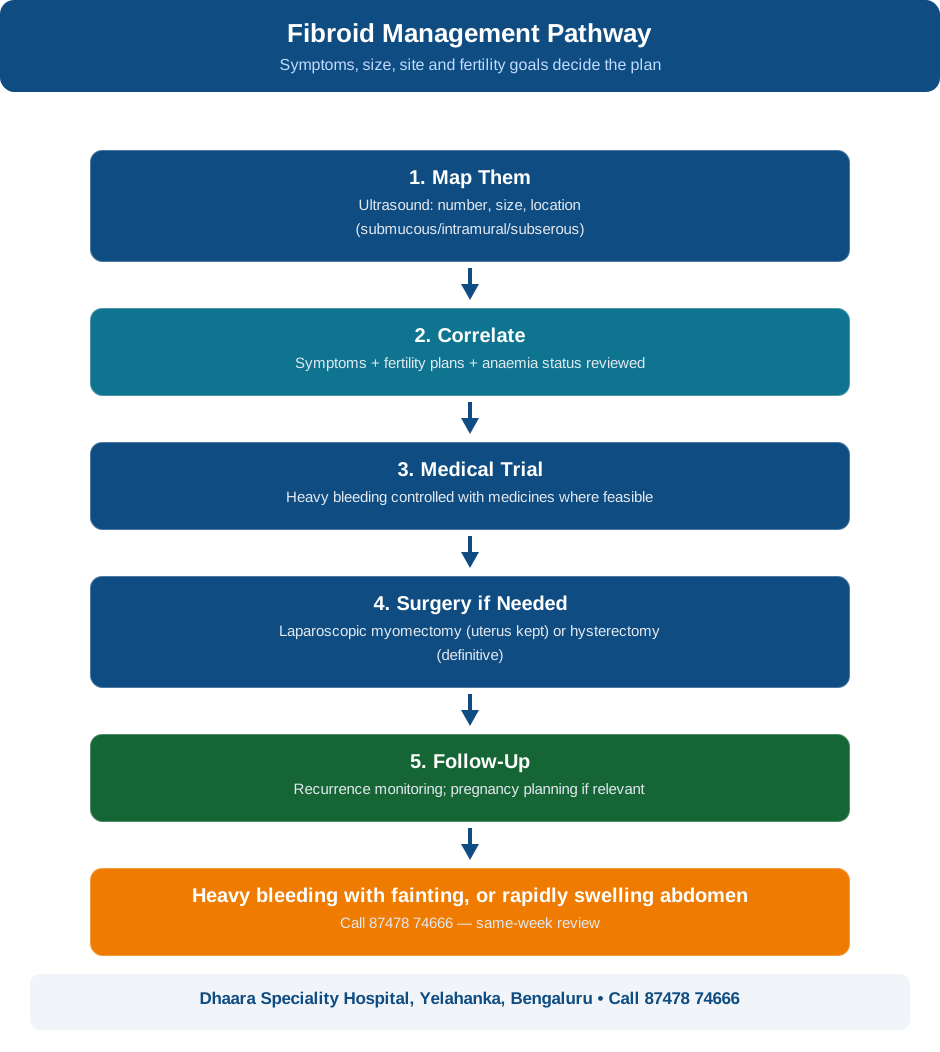
- Treatment depends on symptoms, size, location and your fertility plans — there is no one-size answer.
- Options span medicines, laparoscopic myomectomy (fertility-preserving) and hysterectomy — all available at Dhaara.
- Rapid growth after menopause or heavy unrelieved bleeding always warrants specialist review.
When Fibroids Need Treatment — and When They Don't
- No treatment: small, symptom-free fibroids found on routine scans — periodic review is enough
- Medicines: for heavy periods — tranexamic acid, hormonal options, GnRH analogues to shrink before surgery
- Myomectomy: removing fibroids while keeping the uterus — keyhole where possible; chosen when fertility matters
- Hysterectomy: definitive cure when family is complete and symptoms are severe
Fibroids and Pregnancy — What You Should Know
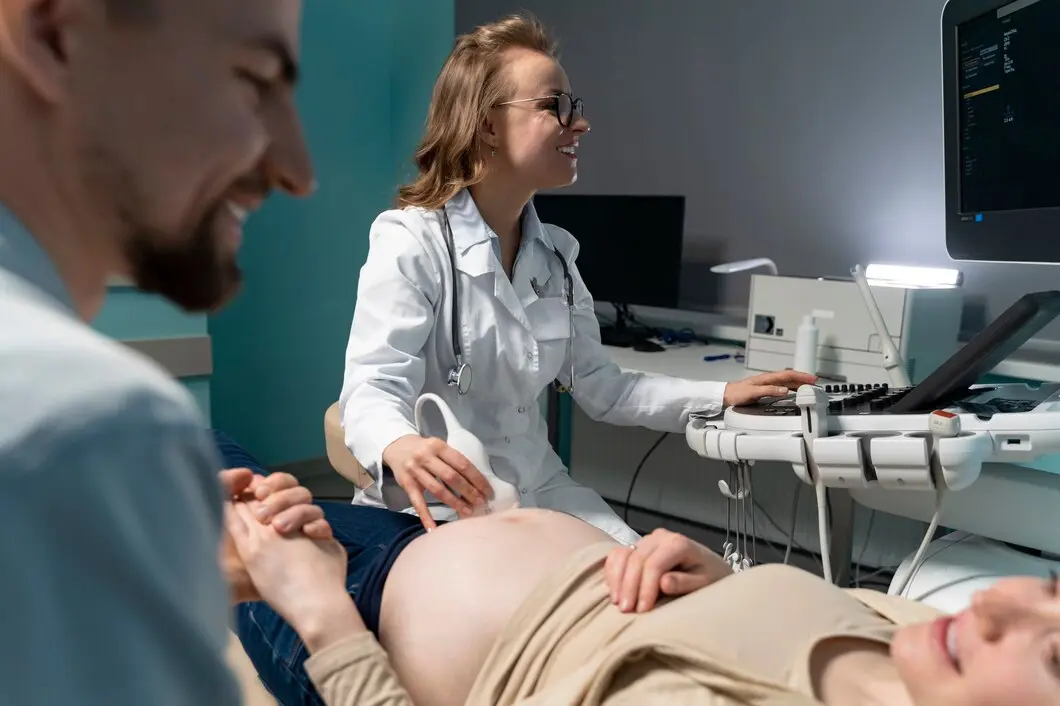
Most fibroids coexist peacefully with pregnancy. Location matters: fibroids distorting the cavity can affect implantation and miscarriage risk, and large ones occasionally cause pain ('red degeneration') or position problems. If you have fibroids and are planning pregnancy, a pre-conception mapping scan decides whether myomectomy first is genuinely in your interest — that conversation prevents both unnecessary surgery and missed risk.
Your Fibroid Care at Dhaara
What Are Uterine Fibroids?
Uterine fibroids (leiomyomas or myomas) are non-cancerous (benign) growths of the muscular wall of the uterus. They are the most common benign tumour in women of reproductive age — affecting 20–40% of women over 35. Despite being benign, fibroids can cause significant symptoms that affect quality of life, fertility, and pregnancy outcomes.
At Dhaara Speciality Hospital, Dr. Prathima Srinivas — OBG Consultant and Laparoscopic Gynaecology Surgeon — provides comprehensive fibroid management from medical treatment to minimally invasive laparoscopic surgery.
Types of Fibroids by Location
Intramural
Within the uterine muscle wall — most common type (70%). Causes heavy periods and pelvic pressure.
Submucosal
Grows into the uterine cavity. Even small submucosal fibroids cause heavy bleeding and fertility problems.
Subserosal
Grows outward on the outer uterine surface. Causes pelvic pressure, urinary and bowel symptoms. Can be pedunculated (on a stalk).
Symptoms
Up to 50% of fibroids cause no symptoms and are discovered incidentally on ultrasound. When symptomatic:
- Heavy menstrual bleeding (menorrhagia) — soaking through pads/tampons, passing clots, anaemia
- Prolonged periods — lasting more than 7 days
- Pelvic pain and pressure — heaviness in lower abdomen
- Urinary symptoms — frequent urination, difficulty emptying bladder (large fibroids compressing bladder)
- Bowel pressure — constipation, bloating
- Back and leg pain — from nerve compression
- Infertility or recurrent miscarriages — particularly submucosal fibroids
- Abdominal enlargement — large fibroids can make the abdomen appear pregnant
Diagnosis
- Pelvic ultrasound: Primary investigation — identifies number, size, and location of fibroids
- Sonohysterography (SHG): Saline infused into uterus + ultrasound — best for detecting submucosal fibroids
- MRI pelvis: Most detailed assessment — maps fibroid location, differentiates from adenomyosis, guides surgical planning
- Hysteroscopy: Direct camera visualisation of uterine cavity — diagnoses and treats submucosal fibroids in same session
- Blood tests: CBC for anaemia assessment; thyroid function to exclude other causes of heavy bleeding
Treatment Options
Medical Management (for symptom control, not fibroid removal)
Surgical Options
Fibroids and Fertility
Submucosal and intramural fibroids that distort the uterine cavity significantly reduce fertility and increase miscarriage risk. Myomectomy (surgical removal) improves fertility outcomes. However, fibroids during pregnancy can cause complications including pain (red degeneration), preterm labour, abnormal baby position, and obstructed labour. Careful pre-pregnancy planning with your OBG specialist is essential.
Frequently Asked Questions
Book Your Consultation Today
Dhaara Speciality Hospital, Yelahanka. Same-day appointments available.
No. Fibroids without symptoms or fertility concerns can simply be watched. Surgery is for heavy bleeding unrelieved by medicine, pressure symptoms, infertility linked to location, or rapidly growing fibroids.
Yes, new fibroids can grow over years — myomectomy removes existing ones, it doesn't change the tendency. Recurrence requiring surgery occurs in a minority. Hysterectomy is the only definitive option, chosen when family is complete.
In experienced hands, laparoscopic myomectomy is safe and offers faster recovery than open surgery. Very large or numerous fibroids may still be better approached openly — the honest recommendation depends on your scan, not on a fixed preference.
Hormonal medicines (GnRH analogues) shrink fibroids temporarily — useful before surgery or near menopause, but fibroids regrow after stopping. They are a bridge, not a cure.
Malignant change is rare (well under 1 in 500). Rapid growth after menopause, or a 'fibroid' that behaves unusually on MRI, prompts closer investigation — but for most women fibroids are benign and manageable.
Words From Our Happy Clients
Glowing testimonials from satisfied clients share their positive experiences.
Dhaara Speciality Hospital is a trusted healthcare institution equipped with state-of-the-art facilities and a team of skilled surgeons, including specialists in laparoscopic procedures. Choosing Dhaara for your laparoscopic gallbladder surgery comes with several advantages.
More Reviews
Vinay T
India
Surprised at the excellent facilities
I visited Dhaara Hospital and consulted with Dr. Prathima, a fantastic gynecologist. She's professional, friendly, and listens to my concerns. Her treatment worked well for me, and she always suggests the best.
Suchetha
India
Surprised at the excellent facilities
Dr Sreenivas is brilliant. The way, he listens to the patients issue giving so much time inspite of his busy schedule. I am very happy to have met him for my mom's surgery. Best Gastro surgeon👏👏.

.webp)
.webp)