Appendicitis Warning Signs: When to Reach a Hospital
Appendicitis can worsen over hours, so recognising the pattern early matters. Here is how it typically presents, the signs that mean "go now", and how it is confirmed and treated.
Dhaara Speciality Hospital, Yelahanka
61 Jakkur Road, Yelahanka, Bengaluru 560064
24/7
Emergency Care
Insurance & cashless
Treatment support
Key Takeaways
- Appendicitis usually starts as pain around the navel that shifts to the lower right abdomen over several hours.
- Pain that keeps worsening, especially with fever, vomiting or a rigid abdomen, needs emergency care the same day.
- Do not take laxatives or apply direct strong heat to the abdomen when appendicitis is suspected — and do not wait overnight hoping it settles.
- Most appendicitis is confirmed with a clinical examination, blood tests and an ultrasound or CT scan.
- The standard treatment is appendectomy (removal of the appendix), usually done laparoscopically.
Suspected appendicitis is one of the most common surgical emergencies. The appendix is a small finger-shaped pouch attached to the large intestine; when it gets blocked and inflamed, it can progress to perforation (rupture) within a day or two. That timeline is why the pattern of pain matters more than any single symptom.
How Appendicitis Pain Typically Behaves
| Stage | What patients usually notice |
|---|---|
| Early | Dull, poorly localised discomfort around the navel; appetite loss; mild nausea |
| Developing | Pain sharpens and migrates to the lower right abdomen; tenderness on pressing there; low-grade fever |
| Established | Pain worsens with movement or coughing; vomiting; feeling visibly unwell |
| Complicated | Severe spreading pain, high fever, a rigid or extremely tender abdomen — possible perforation or abscess |
Not everyone follows this textbook sequence. In children, pregnant women and older adults, symptoms can be unusual or mild even when the appendix is severely inflamed — which is why any persistent right-sided abdominal pain deserves a doctor's assessment.
Go to Emergency Care Immediately If There Is:
Emergency Indicators
- Severe, worsening pain in the lower right abdomen
- Pain that suddenly eases and then comes back harder (possible perforation)
- Fever with vomiting and abdominal pain together
- A hard, rigid or extremely tender abdomen
- Inability to pass stool or gas with swelling of the abdomen
While Arranging Care
- Do not eat or drink anything until a doctor has assessed you — surgery may be needed
- Do not take laxatives or enemas
- Avoid strong painkillers that can mask the picture before examination
- Do not apply heating pads directly to the abdomen
- Call ahead so the emergency team is ready for you
Dhaara Speciality Hospital runs a 24/7 emergency service in Yelahanka. Call 87478 74666 immediately — details of the emergency department are here.
How Appendicitis Is Confirmed
A surgeon's examination remains the most important step, supported by:
- Blood tests — looking for signs of infection and inflammation.
- Ultrasound scan — often the first imaging choice, especially in children and pregnant women.
- CT scan — used when the diagnosis is unclear; it is highly reliable for confirming appendicitis or finding another cause.
Our ultrasound facility and emergency team can usually complete this work-up quickly on the same visit.
How Appendicitis Is Treated
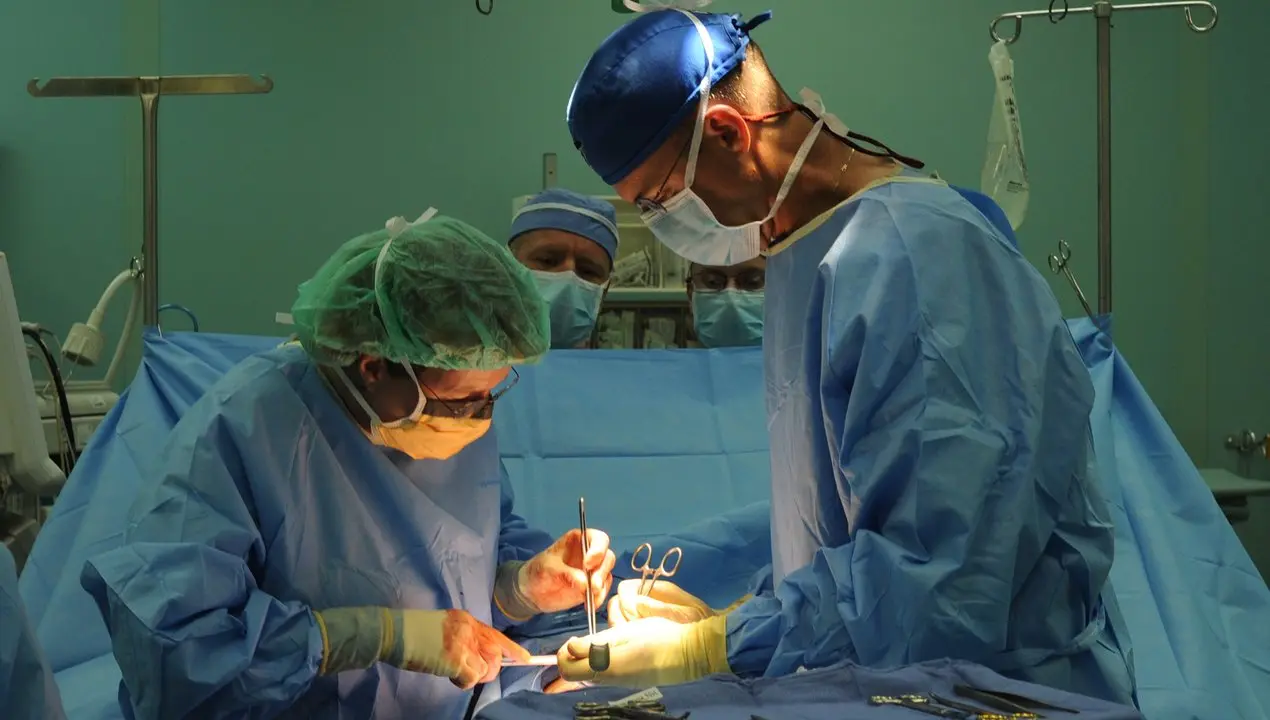
The standard treatment is an appendectomy — surgical removal of the appendix. It is almost always done laparoscopically (keyhole): a few small cuts, a camera and instruments, usually with a hospital stay of a day or two. Occasionally, if an appendix has already formed an abscess, the team may drain it first and plan surgery later. Your surgeon will explain the right sequence for your case.
Details of the operation, anaesthesia and stay are on our appendix surgery page, and our day-by-day recovery guide is here.
Frequently Asked Questions
Questions About Your Surgery?
Talk to the surgical gastroenterology team at Dhaara Speciality Hospital, Yelahanka. Same-day appointments available.
Related Patient Guides
Appendix Surgery Recovery
A realistic week-by-week timeline after laparoscopic appendectomy.
Surgery Patient Guides
Symptoms, preparation, recovery and warning signs — explained simply.
Preparing for Surgery
Tests, medicines, fasting, packing — the complete pre-op checklist.

.webp)
.webp)