Ovarian Cyst Treatment in Yelahanka, Bangalore
Ovarian cyst diagnosis and treatment in Yelahanka — ultrasound monitoring, hormonal care and laparoscopic cystectomy by Dr. Prathima Srinivas, Gynecologist.
10,000+
Patients Treated
15+ Years
Surgical Experience
24/7
Emergency Care
Key Takeaways
- Most ovarian cysts are functional — they form and disappear with cycles within 2–3 months.
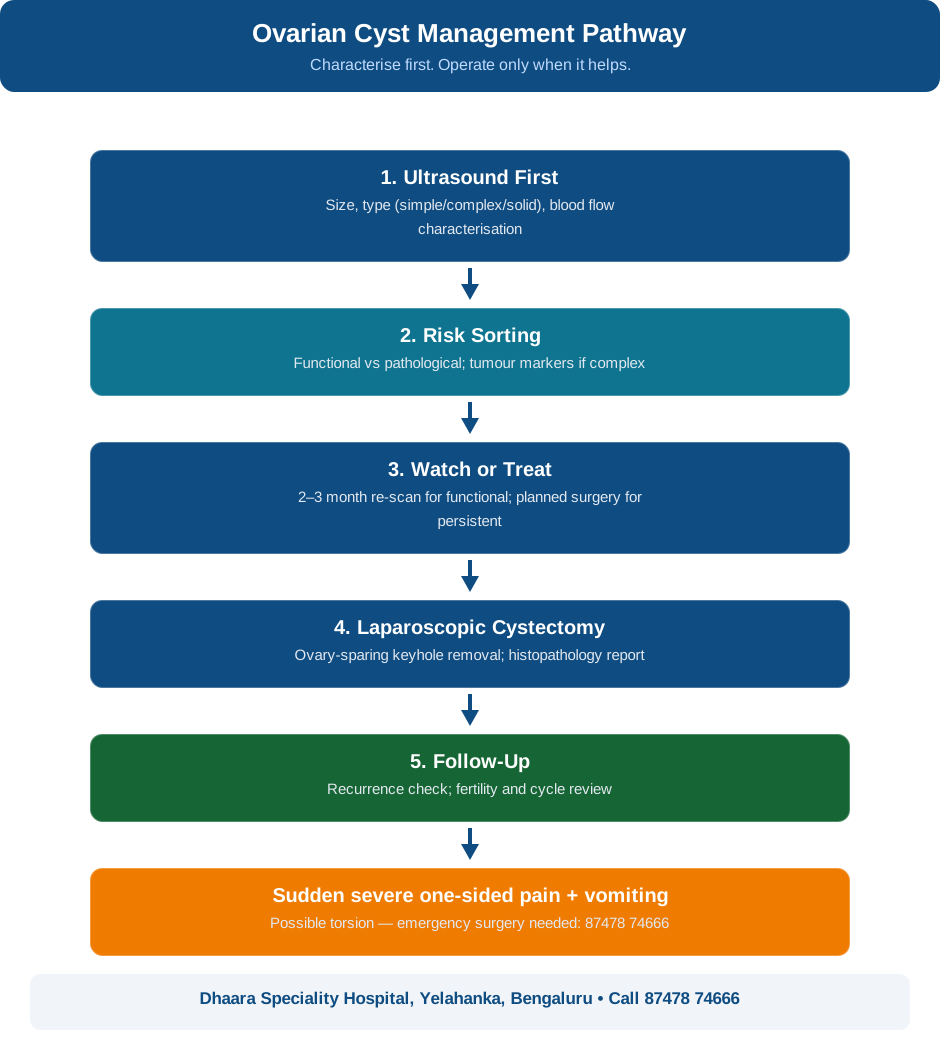
- Ultrasound character decides: watch, medicine, or laparoscopic surgery — unnecessary surgery is avoided.
- Acute severe one-sided pain with vomiting suggests torsion or rupture — that is an emergency.
- Complex or persistent cysts get a full workup including tumour markers, with fertility-preserving surgery where possible.
Types of Ovarian Cysts — Which One is Yours?
- Functional (follicular/corpus luteum): cycle-related, usually vanish in 2–3 months — monitored, not operated
- Endometrioma ('chocolate cyst'): from endometriosis; persistent; often needs laparoscopic removal
- Dermoid (teratoma): present from birth, grows slowly; removed when significant due to torsion risk
- Serous/mucinous cystadenoma: benign tumours; surgery when sizeable
- Complex/solid cysts: evaluated with tumour markers and staged surgery if suspicious — never ignored
Surgery, When Needed, is Keyhole and Fertility-Preserving
Cystectomy (removing only the cyst) via laparoscopy preserves the ovary and fertility in the great majority of cases. Dr. Prathima Srinivas uses ovarian-sparing technique and intraoperative judgement to leave healthy tissue behind. Only genuinely suspicious cysts need more extensive surgery — and that decision follows proper imaging and markers, not guesswork.
Your Ovarian Cyst Care at Dhaara
What Are Ovarian Cysts?
An ovarian cyst is a fluid-filled sac that forms on or inside an ovary. Most are functional cysts — a normal part of the menstrual cycle (follicular cysts and corpus luteum cysts) that resolve on their own within 2–3 cycles. Others are true growths that need evaluation and sometimes surgery: dermoid cysts, endometriomas ("chocolate cysts" of endometriosis), cystadenomas, and — less commonly — cystic tumours.
At Dhaara Speciality Hospital, Yelahanka, Dr. Prathima Srinivas evaluates ovarian cysts with ultrasound and tumour markers, and performs laparoscopic cystectomy — keyhole removal of the cyst while preserving the ovary — whenever appropriate.
Symptoms
- Dull ache or a sense of fullness in the lower abdomen, usually one-sided
- Pain during intimacy
- Irregular periods
- Bloating or abdominal swelling with larger cysts
- Sudden, severe one-sided pain with nausea — possible torsion (ovary twisting) or rupture — this is an emergency
Diagnosis
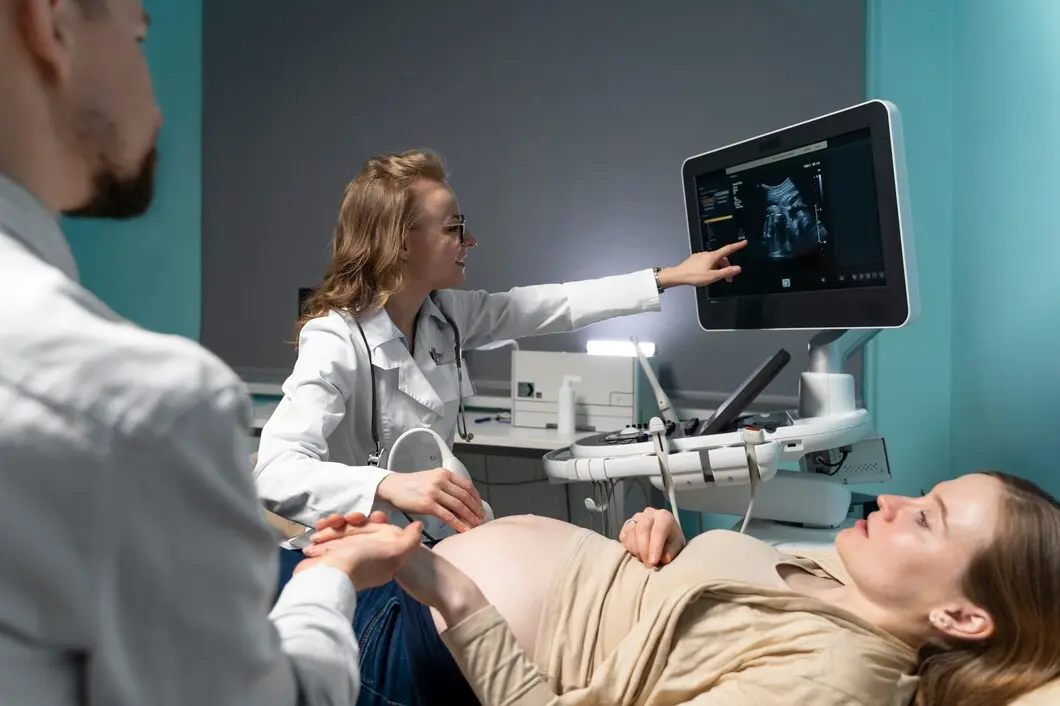
- Pelvic ultrasound — the primary tool; characterises size, contents (simple fluid, solid areas, septations) and blood flow (Doppler)
- Repeat ultrasound after 2–3 cycles — simple cysts in premenopausal women often resolve; follow-up avoids unnecessary surgery
- Tumour markers (CA-125 and others) — interpreted with age and ultrasound pattern, not in isolation
- MRI — for complex cysts where ultrasound is inconclusive
Treatment
Frequently Asked Questions
Book Your Consultation Today
Dhaara Speciality Hospital, Yelahanka. Same-day appointments available.
Yes — functional cysts, the commonest type, typically resolve within 2–3 menstrual cycles. We re-scan rather than rush to theatre. Surgery is reserved for persistent, pathological or complicated cysts.
A large cyst can twist the ovary on its blood supply, causing sudden severe pain with vomiting. Untreated, the ovary dies within hours. Emergency keyhole surgery can usually save the ovary — which is why that pain means 'hospital now'.
The vast majority are benign. Simple cysts in premenopausal women are almost never cancer. Complex features on ultrasound with rising markers (CA-125 etc.) need proper staging — and even then, many turn out benign on final histology.
Cystectomy preserves ovarian tissue, so periods and fertility are normally unaffected. There is a temporary dip in egg reserve after endometrioma surgery — another reason we operate only when genuinely needed and preserve tissue meticulously.
Pregnancy cysts (corpus luteum) support early pregnancy and usually resolve by the second trimester. They're monitored; surgery only for torsion/rupture or strongly suspicious features.
Words From Our Happy Clients
Glowing testimonials from satisfied clients share their positive experiences.
Dhaara Speciality Hospital is a trusted healthcare institution equipped with state-of-the-art facilities and a team of skilled surgeons, including specialists in laparoscopic procedures. Choosing Dhaara for your laparoscopic gallbladder surgery comes with several advantages.
More Reviews
Vinay T
India
Surprised at the excellent facilities
I visited Dhaara Hospital and consulted with Dr. Prathima, a fantastic gynecologist. She's professional, friendly, and listens to my concerns. Her treatment worked well for me, and she always suggests the best.
Suchetha
India
Surprised at the excellent facilities
Dr Sreenivas is brilliant. The way, he listens to the patients issue giving so much time inspite of his busy schedule. I am very happy to have met him for my mom's surgery. Best Gastro surgeon👏👏.

.webp)
.webp)