Piles (Hemorrhoids): Symptoms and Treatment Options
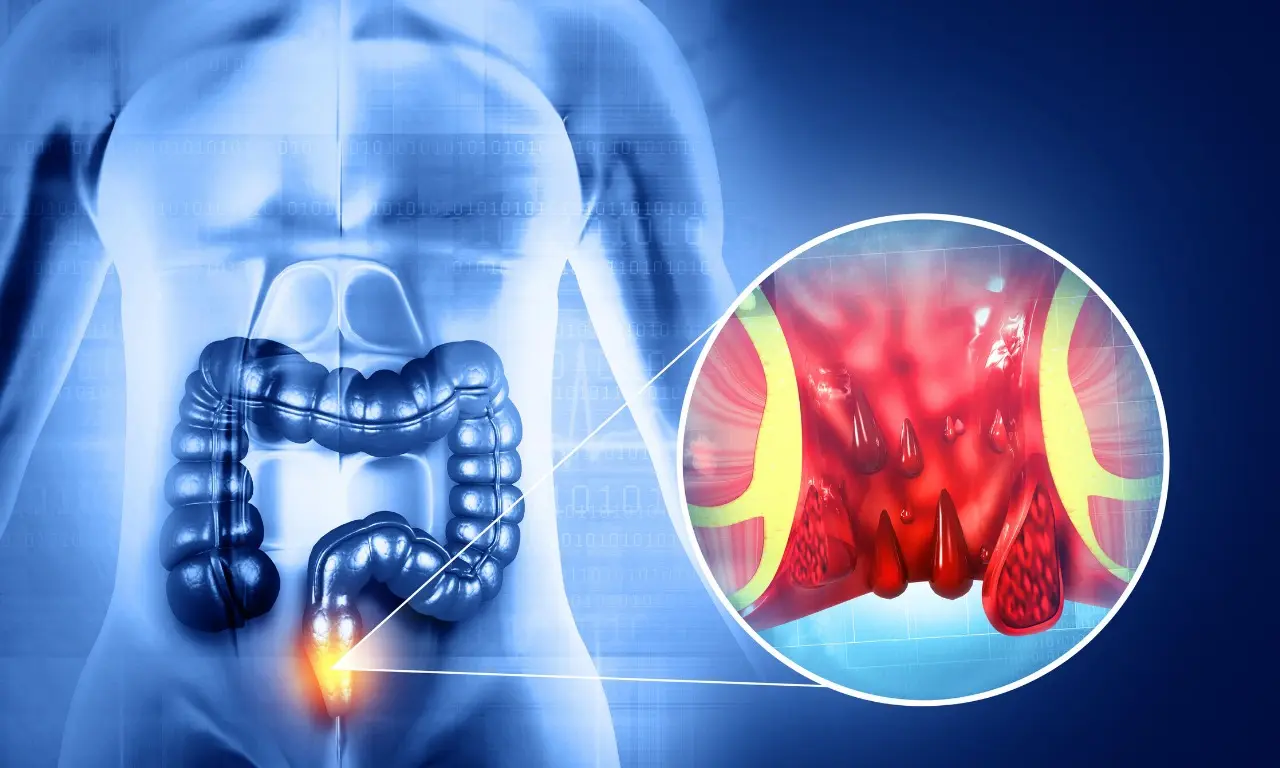
Piles are enlarged, cushion-like veins at the anus — extremely common, often manageable without surgery, but sometimes needing a procedure. This guide explains the grades, what each treatment actually does, and the signs that mean you should be seen.
Dhaara Speciality Hospital, Yelahanka
61 Jakkur Road, Yelahanka, Bengaluru 560064
24/7
Emergency Care
Insurance & cashless
Treatment support
Key Takeaways
- Piles are normal anal cushions that have become enlarged — grade I stays inside, grade IV stays outside.
- Fibre, fluids and avoiding straining control most grade I–II piles without any procedure.
- Painless bright-red bleeding is typical of piles — but bleeding with changed bowel habit, weight loss or dark blood must be investigated to rule out colonic causes.
- Office procedures (banding, sclerotherapy) and surgeries (haemorrhoidectomy, stapled, artery embolisation) are graded to match severity.
- Persistent bleeding, prolapse you cannot reduce, severe pain or a lump with fever all deserve same-week assessment.
Almost half of adults develop piles at some point. Pregnancy, chronic constipation, long hours on the toilet, heavy lifting and simply getting older all enlarge the natural anal cushions until they cause symptoms — usually painless bleeding, itching, discomfort or a lump that slides out during bowel movements. The good news: most piles are managed with lifestyle measures alone, and the treatments that do exist are far simpler and more comfortable than most patients fear.
The Four Grades — Why They Matter
| Grade | What happens | Usual approach |
|---|---|---|
| I | Swollen cushions bleed or itch but never come out | Diet, fibre, sitz baths, creams for short courses |
| II | Come out during passing stool, go back on their own | Lifestyle measures; banding if troublesome |
| III | Come out and need a finger to push back | Usually a procedure — banding, surgery or embolisation |
| IV | Stay out permanently and cannot be pushed back | Surgery is generally the definitive option |
Grading drives treatment: a grade I pile that bleeds twice a month often needs nothing beyond fibre and toilet habits, while a grade IV pile that is permanently outside will keep troubling you no matter what you eat.
What You Can Do at Home (Genuinely Works for Early Piles)
- 25–30 g fibre daily — vegetables, whole grains, fruits; a soft bulky stool is the single most effective treatment.
- 2–3 litres of fluid a day — fibre without water hardens stool.
- No straining, no reading on the toilet — keep toilet time under 5 minutes; prolonged sitting engorges the cushions.
- Warm sitz baths — 10–15 minutes, twice a day, ease discomfort during flare-ups.
- Short courses of pharmacy creams/suppositories — useful for a flare, but not for months at a time; prolonged steroid creams thin the skin.
When Home Care Is Not Enough
See a surgeon if bleeding continues beyond a couple of weeks, the lump prolapses (grade III–IV), pain is severe (a thrombosed pile — a clotted one — can be extremely painful for days), or any of the red flags below appear.
Red Flags — Get Assessed, Don't Assume It's "Just Piles"
- Bleeding with a change in bowel habit (new constipation or loose stools lasting weeks).
- Dark or mixed-in blood (rather than bright red on the surface or paper).
- Unexplained weight loss, fatigue or anaemia.
- A painful lump with fever — that pattern suggests an abscess, not piles (see our fistula guide).
Rectal bleeding always deserves one proper examination. A short clinical exam or a colonoscopy when indicated gives certainty — and reassurance is worth the visit.
Treatment Options, Simplest to Definitive
- Lifestyle measures — as above; the foundation for every grade.
- Band ligation (office procedure) — a small rubber band cuts off the pile's blood supply; takes minutes in clinic, no cutting. Suited to grade I–III.
- Sclerotherapy / injection — a solution shrinks small bleeding piles; often combined with banding.
- Haemorrhoidectomy — surgical removal, the most definitive treatment for grade III–IV; modern techniques and good pain protocols make recovery very manageable (typically 1–2 weeks of soreness).
- Stapled haemorrhoidopexy — circles the prolapsing cushions back inside; less wound pain than excision for suitable patients.
- Hemorrhoidal artery embolisation — a radiology-guided day-care option that blocks the feeding arteries; an alternative for patients who want to avoid or cannot undergo surgery. Our haemorrhoids treatment page covers this in detail.
There is no single "best" treatment — the right one depends on your grade, symptoms and health. That decision is made at consultation, not from a menu. Our general surgery team assesses and treats anorectal conditions daily.
Frequently Asked Questions
Questions About Your Surgery?
Talk to the surgical gastroenterology team at Dhaara Speciality Hospital, Yelahanka. Same-day appointments available.
Related Patient Guides
Anal Fistula
Why the tunnel keeps refilling, and how surgery chooses cure vs sphincter safety.
Anal Fissure
The pain-spasm cycle, healing at home and when surgery is the kinder option.
Surgery Patient Guides
Symptoms, preparation, recovery and warning signs — explained simply.

.webp)
.webp)