If burning stomach pain has been running your life — or antacids have become a daily habit — this page was written for you. Together we will walk through what gastritis really is, what causes it, how it is confirmed and cured, and how it is evaluated at Dhaara Speciality Hospital, Yelahanka.
Medically reviewed by Dr. Srinivas Bojanapu · September 2026
10,000+
Patients Treated
15+ Years
Surgical Experience
24/7
Emergency Care
Gastritis in 30 seconds
- What it is: inflammation of your stomach lining — the protective layer that holds acid where it belongs.
- Why it happens: a bacterium called H. pylori (the most common cause worldwide), painkillers such as ibuprofen and diclofenac, alcohol, and stress.
- Key symptoms: burning upper-abdominal pain worse on an empty stomach or at night, bloating, belching, early fullness.
- If you are worried: most gastritis is treatable and curable — but vomiting blood or black, tarry stools means same-day care.
- The good news: treating the cause — not just the acid — cures it. H. pylori is curable with a 14-day medicine course.
First, the stomach lining: what it actually does
Your stomach makes acid strong enough to dissolve metal — and yet it does not digest itself. Why? Because a remarkable lining of mucus and specially built cells stands between the acid and the stomach wall.
Gastritis is simply this: the defence line has been broken somewhere — by a bacterium that burrows into the mucus, by painkillers that switch off the lining's protective chemicals, by alcohol, or by a surge of acid after major illness. Everything on this page follows from that one idea: find what broke the defence, and repair it.
What is gastritis?
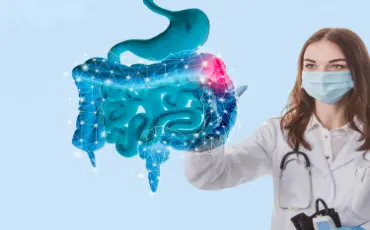
Gastritis means inflammation of the stomach lining. It can be sudden (acute — often after heavy alcohol use, painkillers, or a severe illness) or long-standing (chronic — most often due to Helicobacter pylori infection). Untreated chronic gastritis can lead to ulcers, and in H. pylori cases it raises the long-term risk of stomach cancer — one more reason to treat the infection properly rather than silence it.
Symptoms of gastritis
Most common
- Burning or gnawing upper-abdominal pain, often better or worse with food
- Worse on an empty stomach or at night
- Nausea and bloating
- Frequent belching
Also worth knowing
- Feeling full early (early satiety)
- Appetite loss
- Unexplained weight loss
Bleeding signs — same-day care
- Vomiting blood or coffee-ground material
- Black, tarry stools — digested blood from a bleeding ulcer
- Dizziness or weakness from anaemia
Easily confused with
- Acid reflux / GERD (see our GERD page)
- Gallstones
- Functional dyspepsia — the same burn with a normal lining
- Cardiac pain — upper-abdominal burning is occasionally the heart, which is why new or severe symptoms deserve examination
Hold on to this: these symptoms are common, and most often not dangerous. Their job is not to frighten you — it is to tell you the defence line needs attention.
When should you see a doctor?
review
Next available appointment: burning pain that keeps returning; daily antacid use; bloating and belching that never quite settle.
(days)
Within days: symptoms lasting more than two weeks despite antacids; appetite loss or weight loss; long-term painkiller (NSAID) use with stomach symptoms; anaemia found on a blood test.
(same day)
Do not wait: vomiting blood or coffee-ground material; black tarry stools; difficulty swallowing; severe pain. Call 87478 74666 — Dhaara runs a 24/7 emergency service.
Causes — and why they are not the same as triggers
A cause directly breaks the lining's defence; a trigger only worsens symptoms. Treating triggers alone is why gastritis keeps coming back.
- Helicobacter pylori — the most common cause worldwide; it burrows into the mucus and inflames the lining beneath
- Regular NSAID painkiller use — ibuprofen, diclofenac, aspirin
- Alcohol and smoking
- Stress gastritis — after major illness, burns or surgery
- Autoimmune gastritis — with B12 deficiency
- Bile reflux — especially after gallbladder or gastric surgery
None of these is a moral failing — H. pylori is simply one of the most widespread infections on earth. The cure is specific, and it works.
"Is it gastritis — or something else?"
An honest question, and here is the honest answer: the same burning pain can come from several quite different conditions — an ulcer, reflux, gallstones, even the heart. That is why the story alone cannot settle it.
The good news: one short test settles most of it. An endoscopy looks directly at your oesophagus, stomach and duodenum, shows inflammation and ulcers, and takes a painless biopsy that tests for H. pylori on the spot. Instead of guessing — and medicating blindly for years — you get a cause, and a cure aimed at it.
Why treating the cause beats popping antacids
Antacids only silence acid for hours. If the driver is H. pylori, an ulcer or NSAID injury, the disease continues underneath — the acid is just quieter about it. At Dhaara we identify the cause with endoscopy and testing, then treat it specifically: eradicating H. pylori, protecting the lining, correcting medicine or alcohol triggers — so that gastritis stays cured, not just quiet.
How is gastritis diagnosed? A step-by-step journey
- Clinical assessment. Your symptom pattern, medication history (especially painkillers), alcohol use and family history shape the plan.
- Trial of therapy — in the right patients. Short-lived, simple symptoms in younger adults may be treated first and reviewed; not every patient needs a scope on day one.
- Upper GI endoscopy — the definitive test. A thin, flexible camera examines the oesophagus, stomach and duodenum directly; biopsies are painless. See endoscopy.
- H. pylori testing. A rapid urease test on the biopsy during endoscopy, or a painless urea breath test — the bacterium is found, not guessed at.
- Blood counts. Anaemia from slow, unseen blood loss changes the urgency of everything.
Treatment options for gastritis
H. pylori eradication — the cure
What: a 14-day course of two antibiotics plus a strong acid suppressant (PPI). Why: it removes the driver of the disease, lowers ulcer risk and long-term stomach-cancer risk. Limitations: partial treatment breeds resistance — completing all 14 days matters. Confirmation: a breath or stool test 4+ weeks after finishing proves the cure.
Acid suppression — the healing window
What: 4–8 week PPI courses that let the lining heal. Why: inflammation cannot settle while acid keeps attacking. Limitations: your doctor tailors the duration; it is a healing window, not a permanent lifestyle.
Remove the cause
What: stopping NSAIDs where possible (we rework your pain plan — never stop prescribed medicine on your own), limiting alcohol, quitting smoking, treating bile reflux. Why: the lining cannot heal while the injury continues.
Dietary support
What: smaller regular meals, avoiding very spicy or oily excess and late-night eating. Why: symptoms settle faster while the medicine does its work. Limitations: diet soothes; it rarely cures organic gastritis — testing comes first.
What happens after diagnosis — the usual pathway
- Symptoms raise the question
- Endoscopy finds the answer — inflammation, ulcer, or a normal lining that points elsewhere
- H. pylori test — the bacterium is confirmed or excluded
- Cause-directed treatment — eradication course, acid healing, or trigger removal
- Confirmation of cure — breath or stool test after eradication
- Follow-up — high-risk patients (family history, long-term NSAIDs) get periodic endoscopy
What is the outlook?
Among the best in all of medicine. Acute gastritis settles in days once the cause is removed. Chronic H. pylori gastritis heals over weeks after a successful 14-day cure. Even the long-term risk that worries people — stomach cancer — falls substantially when the infection is eradicated. This is a disease to be cured, not endured; the only real failure mode is never testing for the cause.
Nutrition and daily life
Meals that help
Regular timings, smaller portions, less very-spicy and oily food, and no late-night eating. These help symptoms settle while the real treatment works underneath.
Painkillers — the honest talk
If you take NSAIDs regularly for arthritis or knee pain, they are likely part of your story. Never stop prescribed medicine on your own — our physicians rework the pain plan while protecting the stomach.
Alcohol and smoking
Both break the lining's defence directly. Reducing them is not punishment — it is removing the reason the gastritis returns.
When to come back sooner
Vomiting blood, black stools, weight loss, difficulty swallowing or new anaemia — always same-day, never wait-and-see.
Questions to ask your doctor
- Do I need an endoscopy now — or is a trial of therapy reasonable for me?
- Should I be tested for H. pylori — and which test?
- If I have H. pylori, exactly which medicines, for how many days?
- How and when will we confirm the cure?
- Are my painkillers part of the problem — and what is the safer plan?
- Do I need a follow-up endoscopy — and when?
- Does my family history change my surveillance plan?
If you would like more confidence about your diagnosis or treatment plan, seeking a second opinion is reasonable.
Frequently Asked Questions
How long does gastritis take to heal?
Acute gastritis often settles in days once the cause is removed and acid is controlled. Chronic H. pylori gastritis heals over weeks after successful eradication — confirmed by a follow-up test.
Is H. pylori infection serious?
It is extremely common and treatable. But because it drives ulcers and raises stomach-cancer risk, guidelines recommend eradication — especially with a family history of gastric cancer or long-term NSAID use.
Do I need endoscopy for acidity?
Not always — a trial of therapy is reasonable for simple, short-lived symptoms. Endoscopy is advised for symptoms lasting weeks, new symptoms after age 45–50, anaemia, bleeding, weight loss, or swallowing difficulty.
How is H. pylori infection treated?
A 14-day course of two antibiotics plus an acid suppressor (triple or quadruple therapy) cures the infection in most patients. Completing all 14 days is critical — stopping early breeds resistance. We confirm cure with a breath or stool test afterwards.
Can gastritis become stomach cancer?
Long-standing untreated H. pylori gastritis is one of the strongest known risk factors for stomach cancer. Eradicating the infection — and periodic endoscopy in high-risk patients — substantially reduces this risk.
I take painkillers for knee pain — is that causing my gastritis?
Very likely. NSAIDs like ibuprofen and diclofenac injure the stomach lining directly. Never stop prescribed medication on your own — our physicians will rework your pain plan while protecting your stomach.
What diet helps gastritis?
Regular meal timings, smaller portions, and limiting very spicy or oily food, alcohol and late-night eating help symptoms. But diet alone rarely cures organic gastritis — testing for the cause comes first.
Endoscopy or just a blood test for gastritis?
Blood tests support but cannot see the lining. Endoscopy shows inflammation, ulcers and early cancers directly and allows biopsy — the definitive evaluation, done painlessly under sedation at Dhaara. See our endoscopy page.
How Dhaara Speciality Hospital can help
And if you need us, here is what stands ready for you under one roof in Yelahanka, Bangalore:
- Upper GI endoscopy — painless, sedated, with on-the-spot biopsy; see endoscopy
- H. pylori testing — rapid urease test and urea breath test
- Eradication therapy — guided, completed, and confirmed cured
- Physician pain-plan rework — protecting your stomach without abandoning your joints
- Dietician support — see Nutrition & Dietetics
- 24/7 emergency and critical care — for bleeding and severe symptoms

Dr. Srinivas Bojanapu
MBBS, MS, FACRSI, DrNB, PDF — Surgical Gastroenterologist & HPB Surgeon with 16+ years of experience and 5,000+ procedures.
Medically reviewed by Dr. Srinivas Bojanapu — MBBS, MS, FACRSI, DrNB, PDF · Surgical Gastroenterologist & HPB Surgeon · Last updated: September 2026.
This page provides general information and is not a substitute for personal medical advice, diagnosis or treatment. Treatment decisions are always individualised after clinical assessment.
Sources & standards:
- Institutional figures on this page (patients treated) are based on Dhaara Hospital records.
- H. pylori management follows internationally accepted eradication guidance.
Book Your Consultation
Still burning through antacids? Find the cause — and cure it — with Dr. Srinivas Bojanapu at Dhaara Speciality Hospital, Yelahanka.
Words From Our Happy Clients
Glowing testimonials from satisfied clients share their positive experiences.
Dhaara Speciality Hospital is a trusted healthcare institution equipped with state-of-the-art facilities and a team of skilled surgeons, including specialists in laparoscopic procedures. Choosing Dhaara for your laparoscopic gallbladder surgery comes with several advantages.
More Reviews
Vinay T
India
Surprised at the excellent facilities
I visited Dhaara Hospital and consulted with Dr. Prathima, a fantastic gynecologist. She's professional, friendly, and listens to my concerns. Her treatment worked well for me, and she always suggests the best.
Suchetha
India
Surprised at the excellent facilities
Dr Sreenivas is brilliant. The way, he listens to the patients issue giving so much time inspite of his busy schedule. I am very happy to have met him for my mom's surgery. Best Gastro surgeon👏👏.

.webp)
.webp)