A small tear in the skin just inside the anus. It usually happens because a hard stool stretches the skin and it splits. It hurts a lot, and it can bleed a little. Most heal with simple changes at home. Ones that keep coming back may need a small procedure.
Does this sound like you?
Tick the ones you have.
What actually happens
The skin inside the anus is thin and very sensitive. It has to stretch every time stool passes. When the stool is hard, dry or unusually large, the stretch is too much and the skin splits.
What you can do about it
Treatment builds up in steps. Most people never need more than the first one.
For most people this is enough.
- More fibre — vegetables, fruit, whole grains, dal, beans
- Plenty of water through the day
- Go when you need to; do not push or rush
- Gentle wiping, then pat dry
- Warm sitz baths, 10–15 minutes
If home changes are not enough on their own.
A doctor may add a nitrate, a calcium channel blocker, or a muscle-relaxing cream alongside the home measures. These are prescription medicines. Nitrates commonly give a headache, and they are not right for everyone.
Only if it is chronic or keeps returning.
The usual operation is a lateral internal sphincterotomy — a small, controlled cut in the muscle inside the anus, which takes the pressure off so the tear can heal. Usually a day-case under local or short general anaesthetic.
It is generally saved for chronic fissures, because there is a small risk to bowel control. Your surgeon will weigh that with you first.
Do not wait — get seen
For anything on this list, call the hospital on 87478 74666 or go to the nearest emergency department. Bleeding without pain is not typical of a fissure and always needs checking.
Common questions
Still hurting?
Most fissures settle with simple measures, but a persistent one is much easier to sort out early. A short examination is all it usually takes to work out where you are on the ladder.
Meet Our Surgeons
Get acquainted with our skilled surgical team, dedicated to delivering compassionate and expert care.
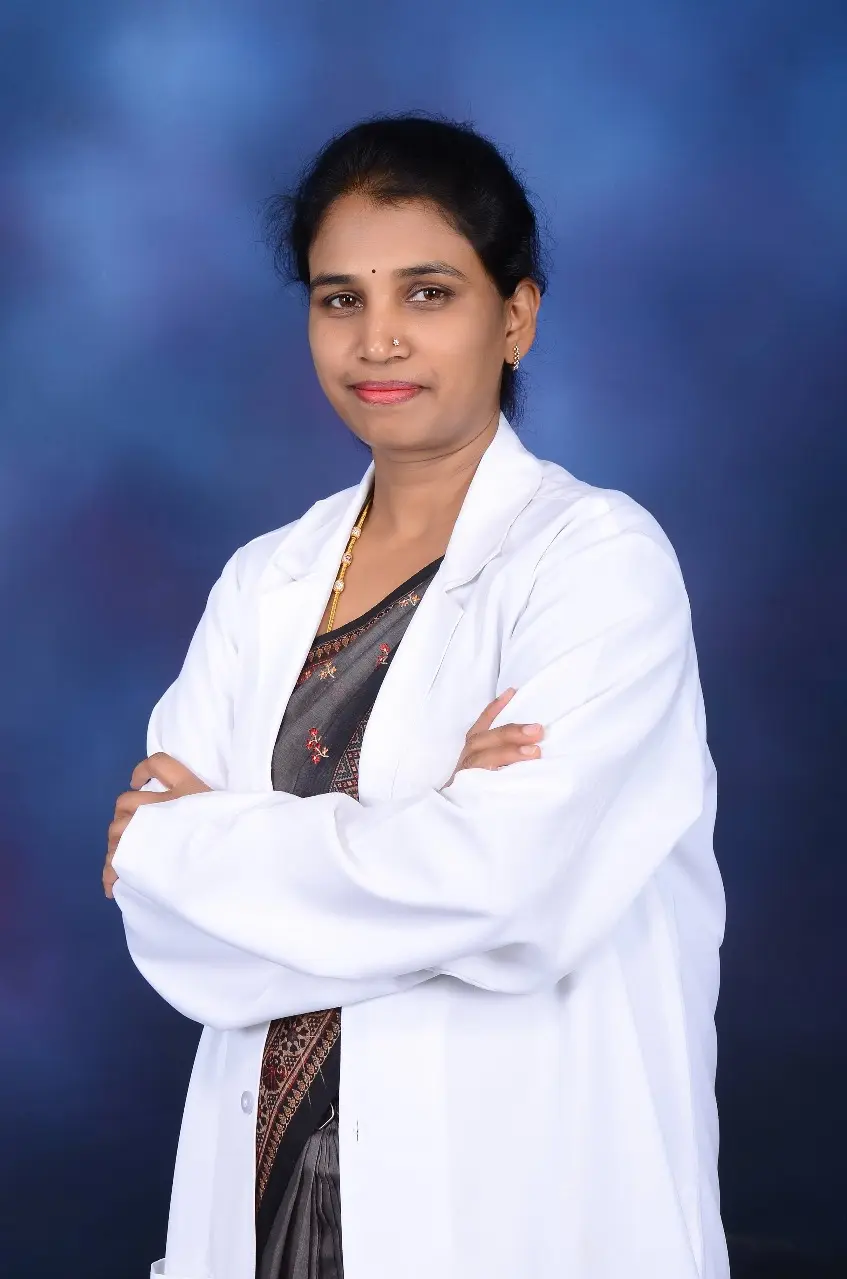
Dr. Prathima Srinivas
Obstetrician And Gynecologist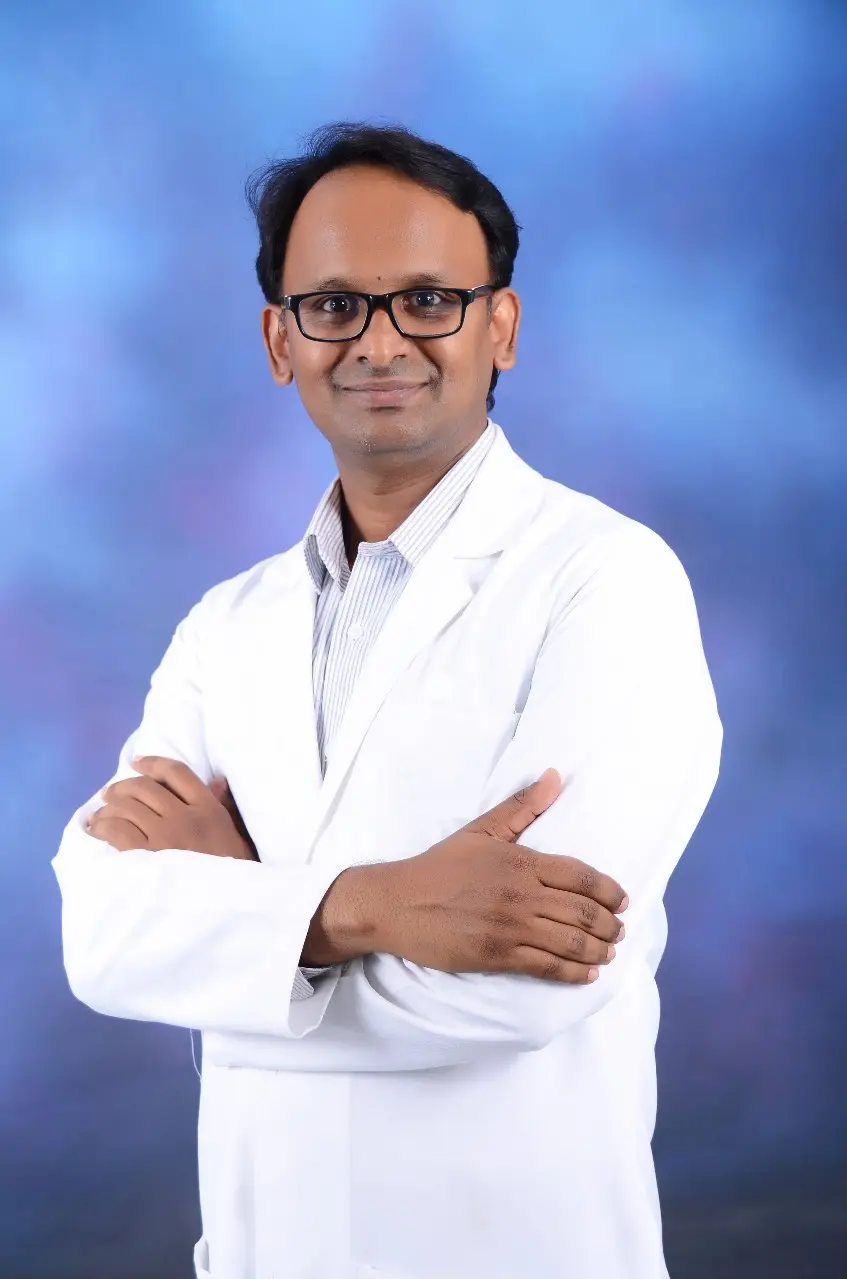
Dr.Srinivas
HPB Surgery and Liver Transplantation surgeon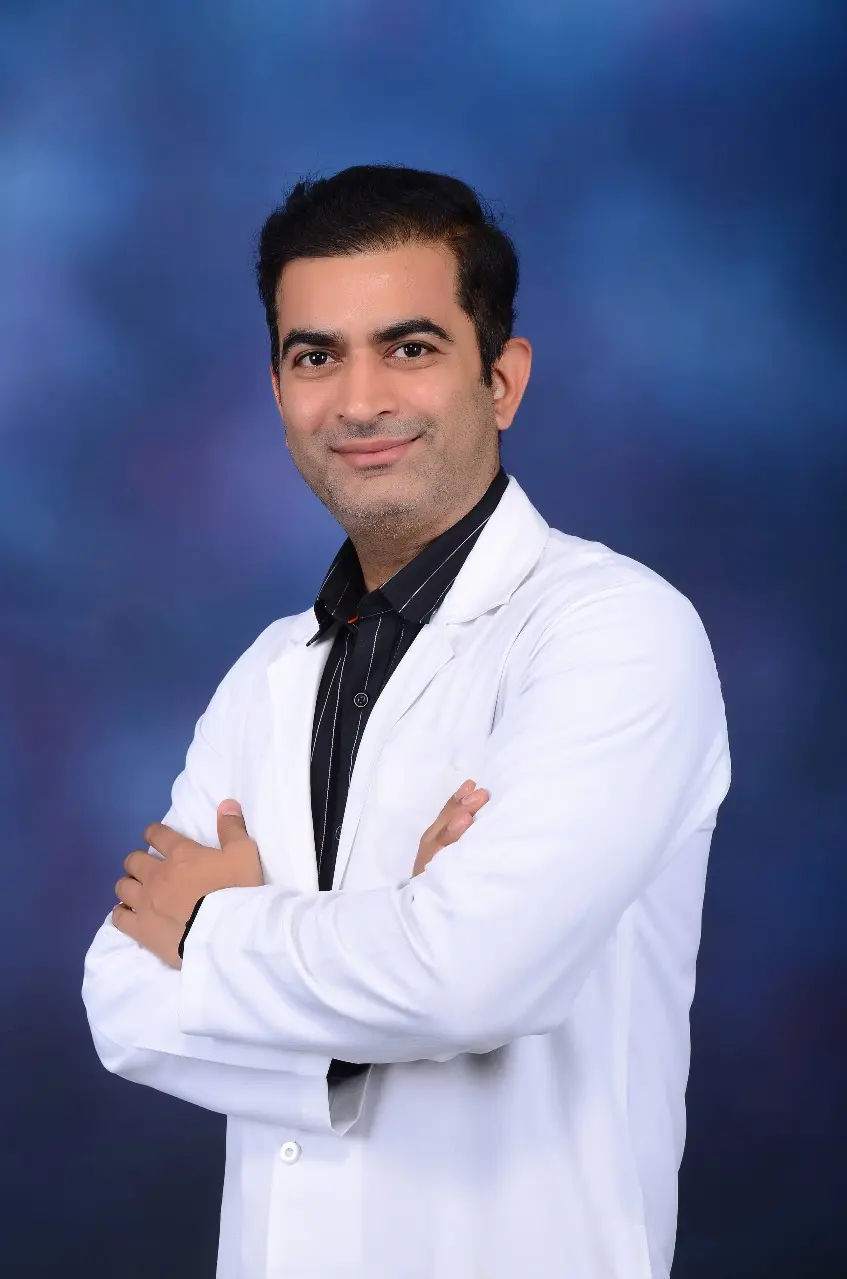
DR. Ashok M S
Consultant Anesthesia Critical Care Pain & Regenerative Medicine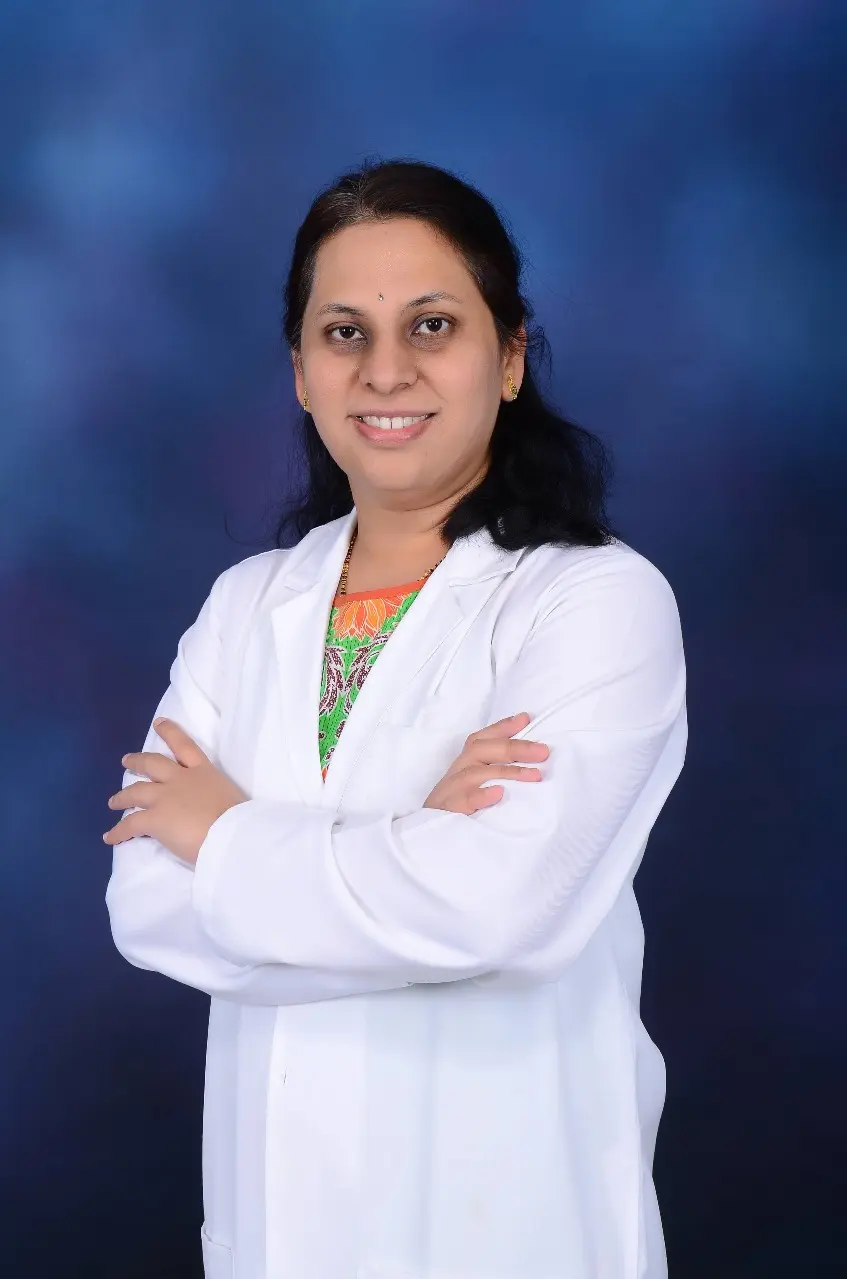
Dr. Deepali
Consultant AnesthesiologyWords From Our Happy Clients
Glowing testimonials from satisfied clients share their positive experiences.
Dhaara Speciality Hospital is a trusted healthcare institution equipped with state-of-the-art facilities and a team of skilled surgeons, including specialists in laparoscopic procedures. Choosing Dhaara for your laparoscopic gallbladder surgery comes with several advantages.
More Reviews
Vinay T
India
Surprised at the excellent facilities
I visited Dhaara Hospital and consulted with Dr. Prathima, a fantastic gynecologist. She's professional, friendly, and listens to my concerns. Her treatment worked well for me, and she always suggests the best.
Suchetha
India
Surprised at the excellent facilities
Dr Sreenivas is brilliant. The way, he listens to the patients issue giving so much time inspite of his busy schedule. I am very happy to have met him for my mom's surgery. Best Gastro surgeon👏👏.

.webp)
.webp)