This approach combines a laparotomy and a thoracotomy incision. The upper part of the esophagus and a portion of the stomach are removed, and the remaining stomach is used to create a new connection with the remaining portion of the esophagus in the neck.
Esophagectomy
Surgical Removal of the Esophagus for Treating Esophageal Conditions
At Dhaara Hospital, our esophagectomy unit provides advanced surgical care for esophageal conditions. Our specialized surgeons address issues like cancer, reflux disease, and strictures with personalized treatment using cutting-edge techniques.
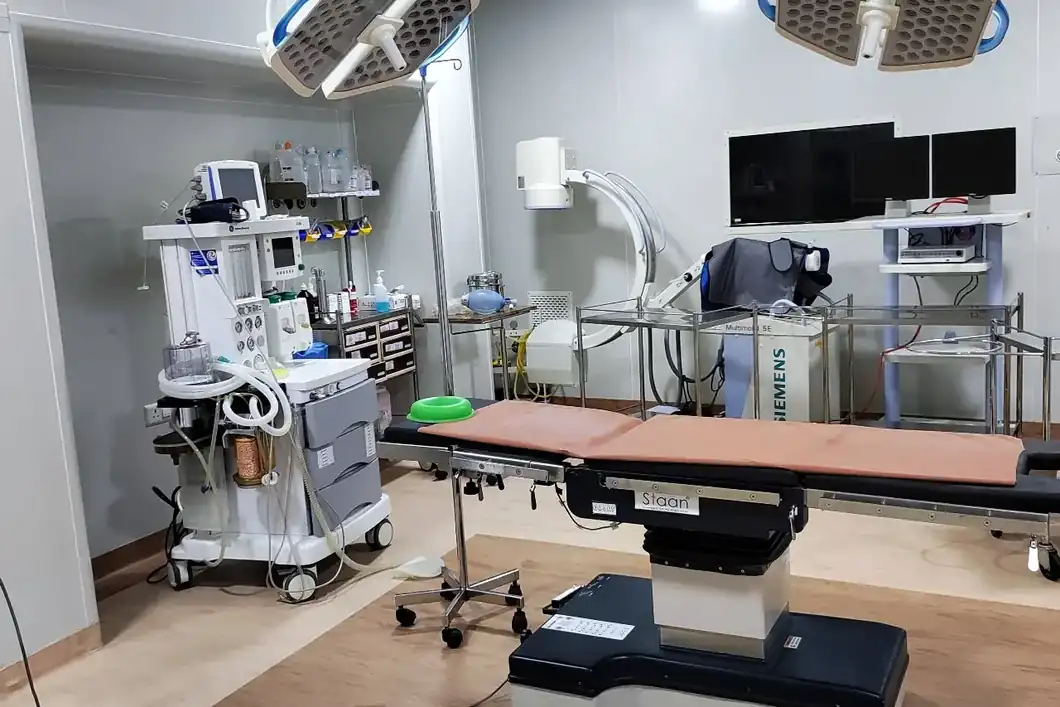
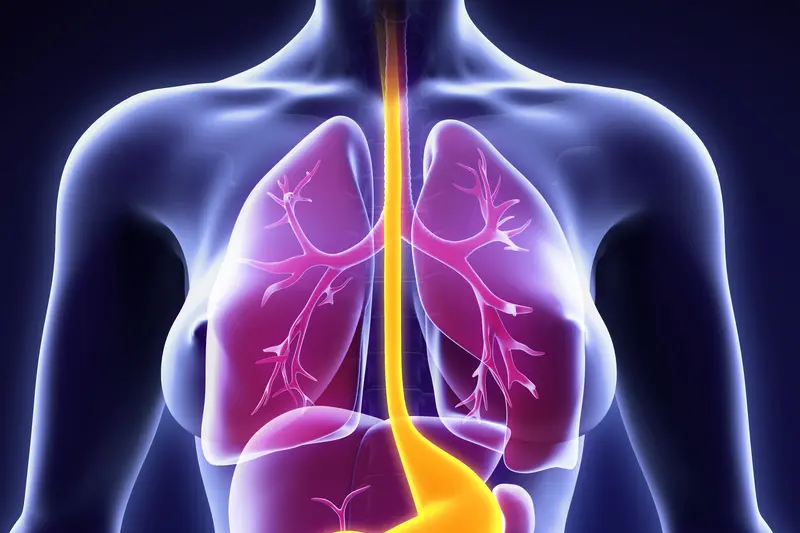
Description
This surgery involves the removal of part or all of the esophagus, often to treat esophageal cancer or severe reflux disease (Barrett's esophagus). After the esophagus is removed, the stomach or part of the intestine may be used to reconstruct a new passage for food to reach the stomach. Colectomy is the surgical removal of all or part of the colon (large intestine). It may be performed to treat conditions such as colon cancer, inflammatory bowel disease (IBD), diverticulitis, or severe constipation.
Understanding of Esophagectomy
Esophagectomy is a surgical procedure involving the partial or complete removal of the esophagus, the tube that connects the throat to the stomach. This surgery is typically performed to treat conditions such as esophageal cancer, severe reflux disease (Barrett's esophagus), or other conditions that affect the esophagus and cannot be managed effectively with non-surgical treatments.
During an esophagectomy, the surgeon removes the diseased portion of the esophagus and may also remove nearby lymph nodes if cancer is present. The remaining healthy portion of the esophagus is then reconstructed to restore continuity between the throat and the stomach. This reconstruction can be achieved using different techniques, such as pulling up a segment of the stomach or part of the intestine to create a new connection (anastomosis) with the remaining esophagus.
Esophagectomy encompasses various procedures:
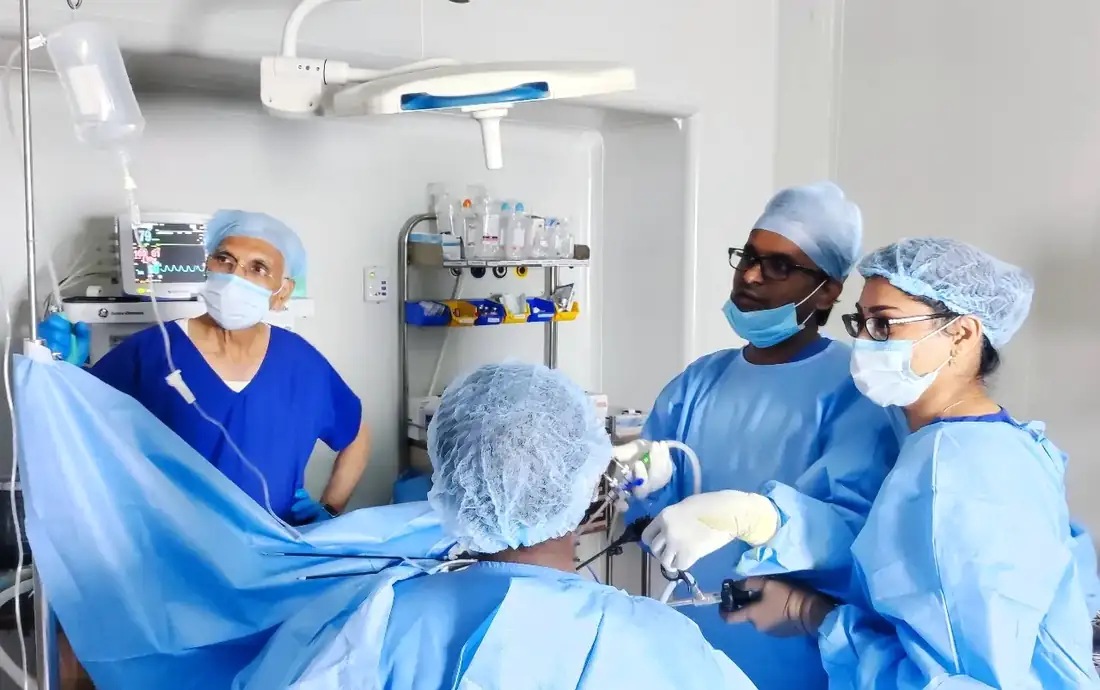
McKeown Esophagectomy
Minimally Invasive Esophagectomy
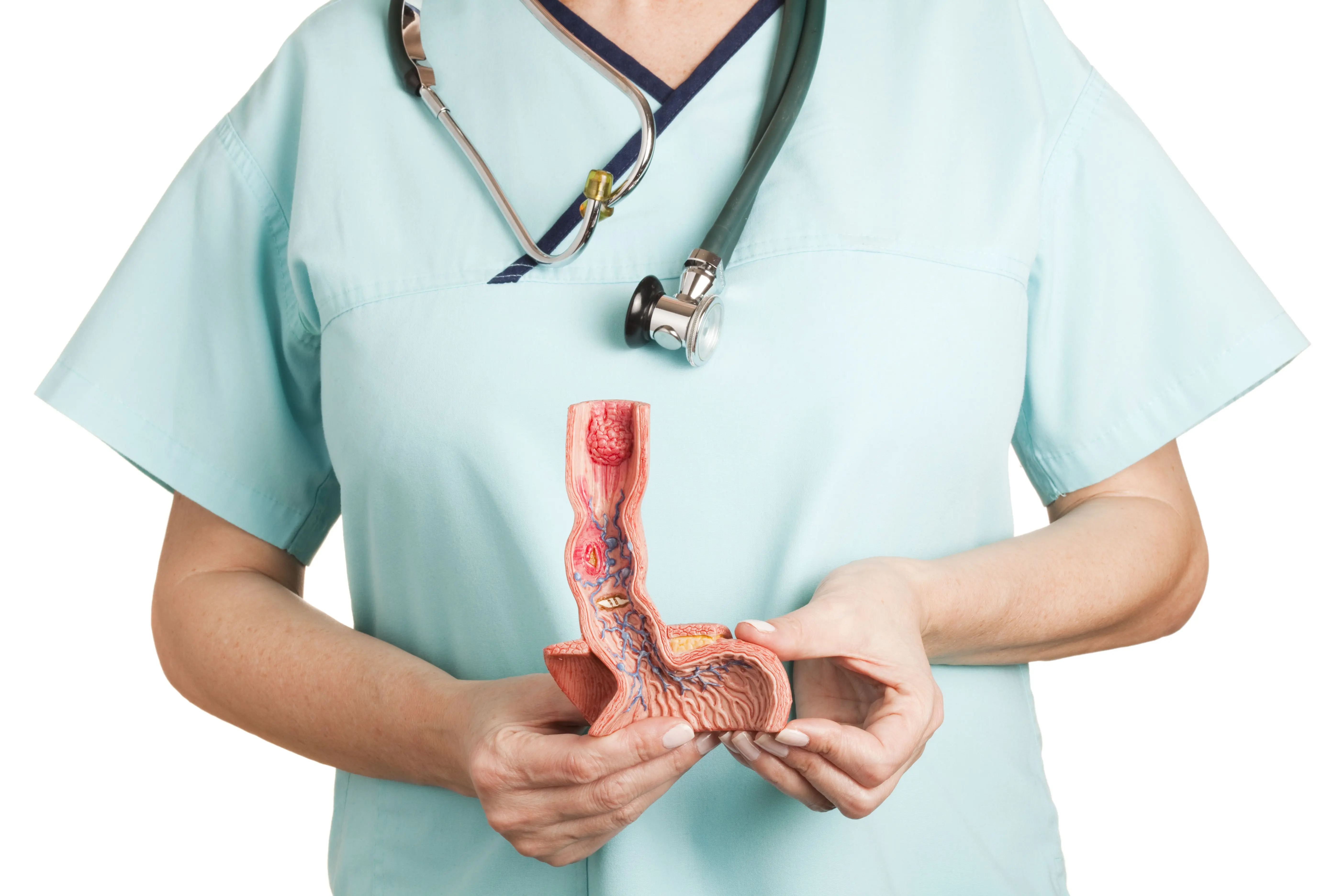
Transhiatal Esophagectomy
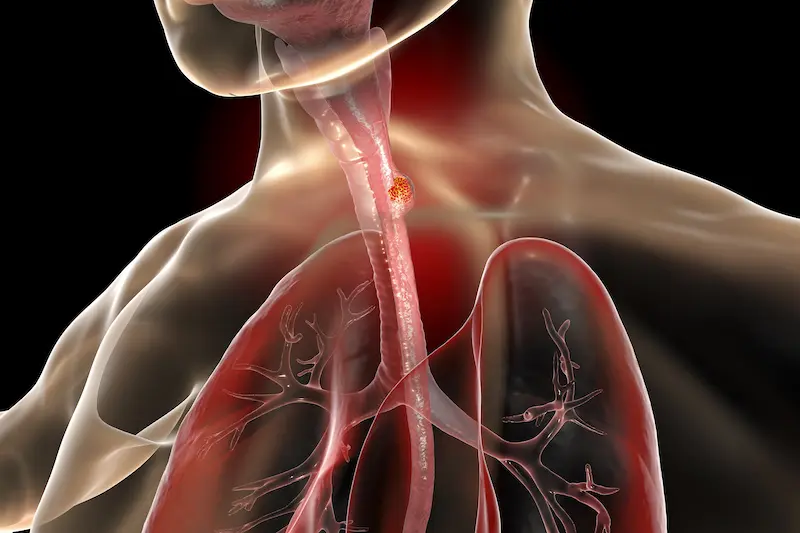
Ivor Lewis Esophagectomy
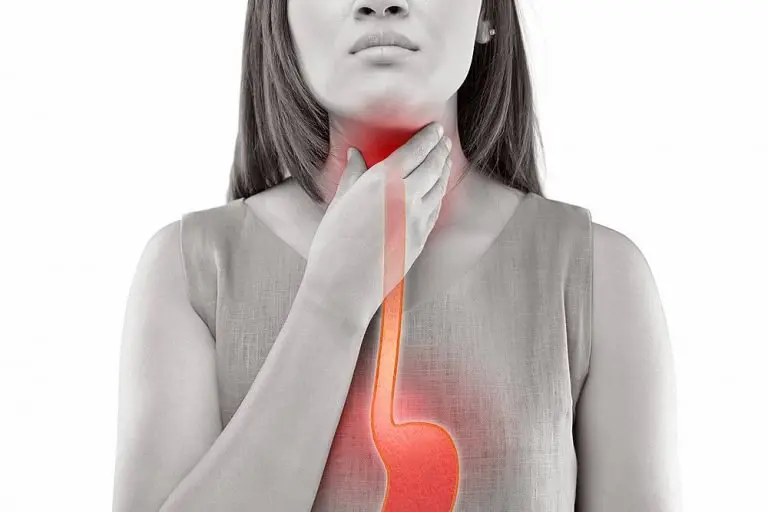
Endoscopic Mucosal Resection (EMR)
Open Esophagectomy
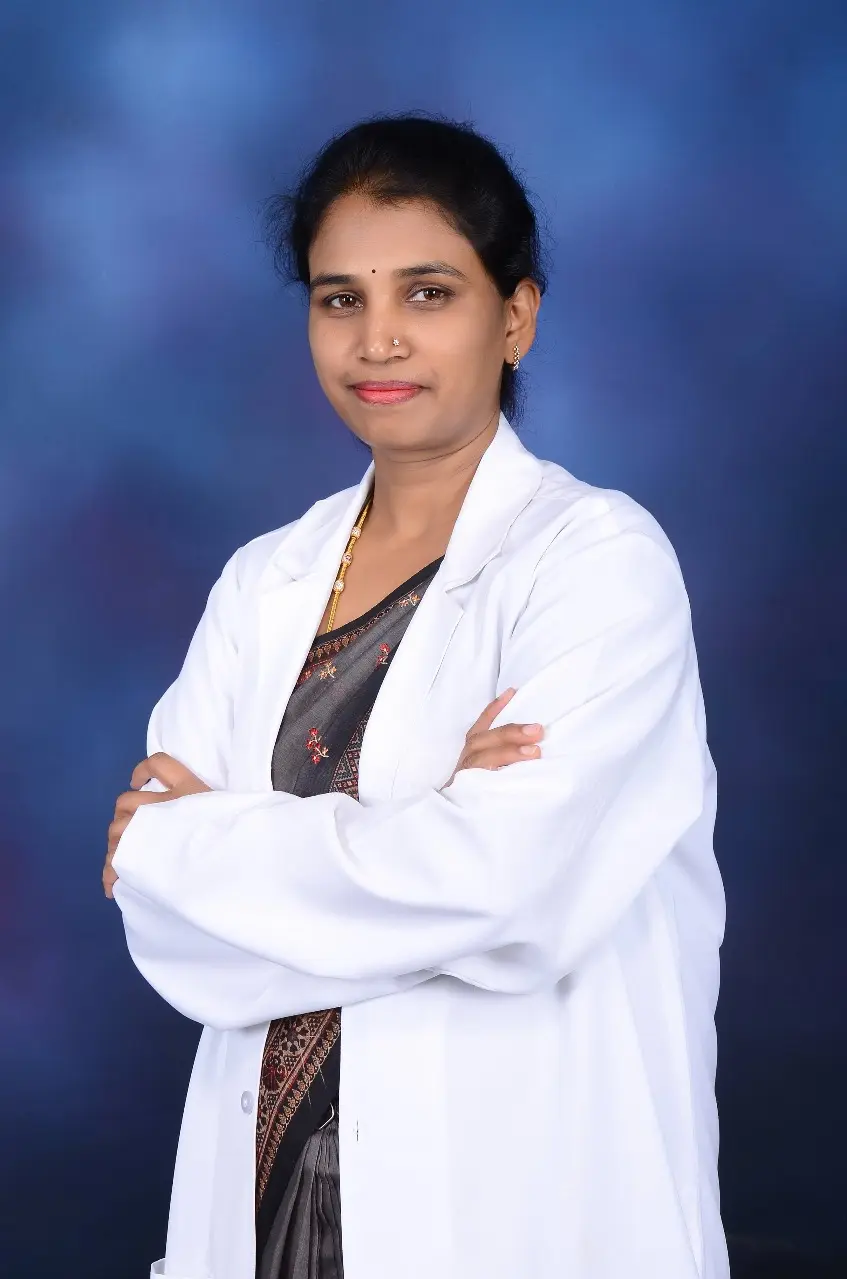
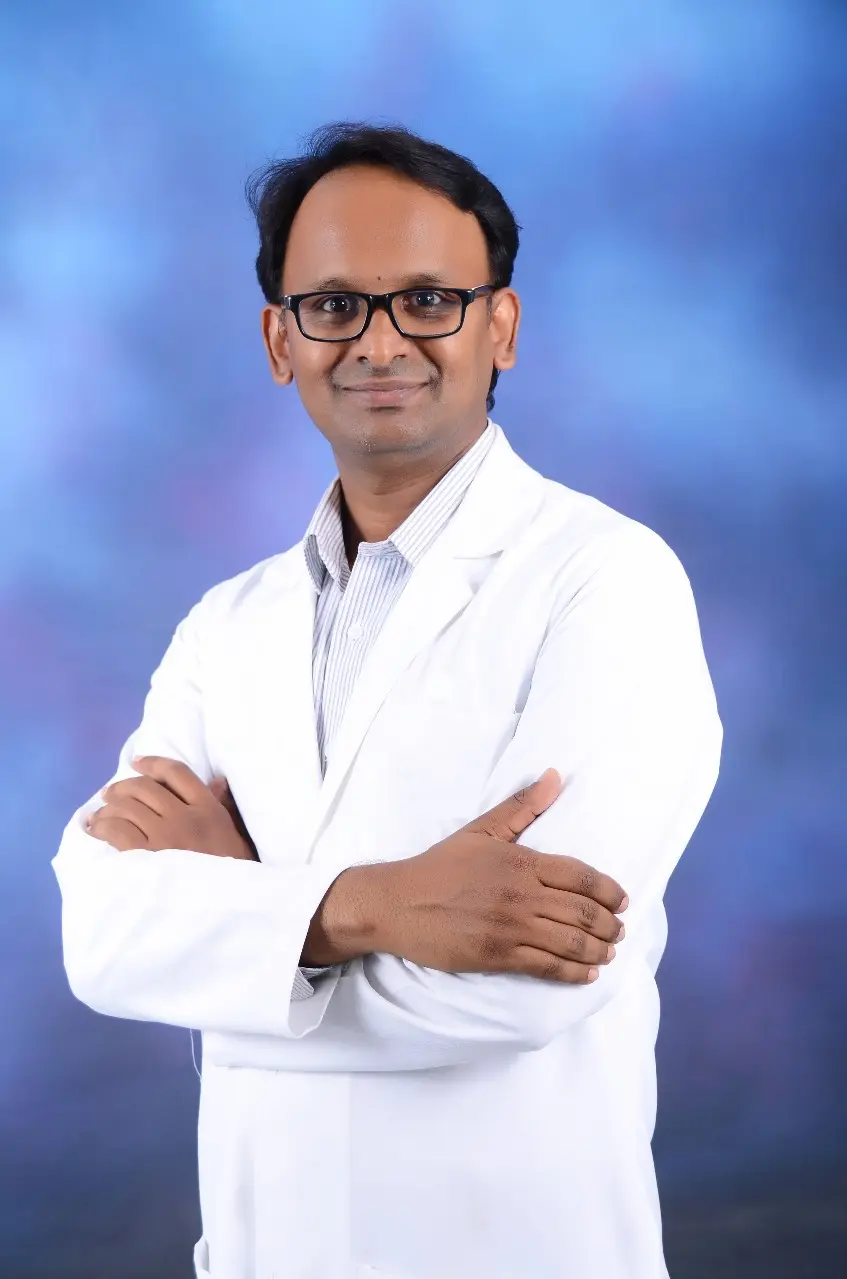
Meet Our Surgeons
Get acquainted with our skilled surgical team, dedicated to delivering compassionate and expert care.
Words From Our Happy Clients
Glowing testimonials from satisfied clients share their positive experiences.
Dhaara Speciality Hospital is a trusted healthcare institution equipped with state-of-the-art facilities and a team of skilled surgeons, including specialists in laparoscopic procedures. Choosing Dhaara for your laparoscopic gallbladder surgery comes with several advantages.
More Reviews
Vinay T
India
Surprised at the excellent facilities
I visited Dhaara Hospital and consulted with Dr. Prathima, a fantastic gynecologist. She's professional, friendly, and listens to my concerns. Her treatment worked well for me, and she always suggests the best.
Suchetha
India
Surprised at the excellent facilities
Dr Sreenivas is brilliant. The way, he listens to the patients issue giving so much time inspite of his busy schedule. I am very happy to have met him for my mom's surgery. Best Gastro surgeon👏👏.
Local guide
India
Surprised at the excellent facilities
Had a great experience with Dr Prathima and the staff at Dhaara when consulting during my pregnancy.The entire team is very polite and responsive. Extremely grateful for Dr Prathima as she guided and counselled me continuously throughout the pregnancy and clarified all doubts
Venkey Krishna
India
Surprised at the excellent facilities
My mother has undergone laparoscopic hysterectomy for fibroids in uterus. It was only one day stay in the hospital and almost painless surgery. Feeling very happy about it .
Shiva Ramavath
India
Surprised at the excellent facilities
We had a very good and pleasant experience in terms of their treatment and handling of the patient as well as supporters. The doctors and staff are very polite, patient, and well-experienced.
Ross Shankar
India
Surprised at the excellent facilities
This has been our first visit to the Doctor Prathima. She has been great in explaining the diagnosis from basic level and easy to understand. I strongly recommend to consult her for any complex cases.
Revathi D
India
Surprised at the excellent facilities
Dr. Prathima mam is one of the best gynecologist I have ever met, patiently explains all my queries, friendly approach at any time. the staffs and doctors treated me well until my discharge. I had good experience. Thank you so much for the great care and surgery you performed on me.r my mom's surgery.
Jogarao Suru
India
Surprised at the excellent facilities
I visited Dhara Hospital to consult Gynecologist. Dr Pratima mam is very professional and friendly. And one of the best gynecologists I have ever met. She listens to my concerns and explains well to me. Her treatment works well for me. She always represents the best. And the staff is attentive and friendly. The whole experience was pleasant.

.webp)
.webp)